


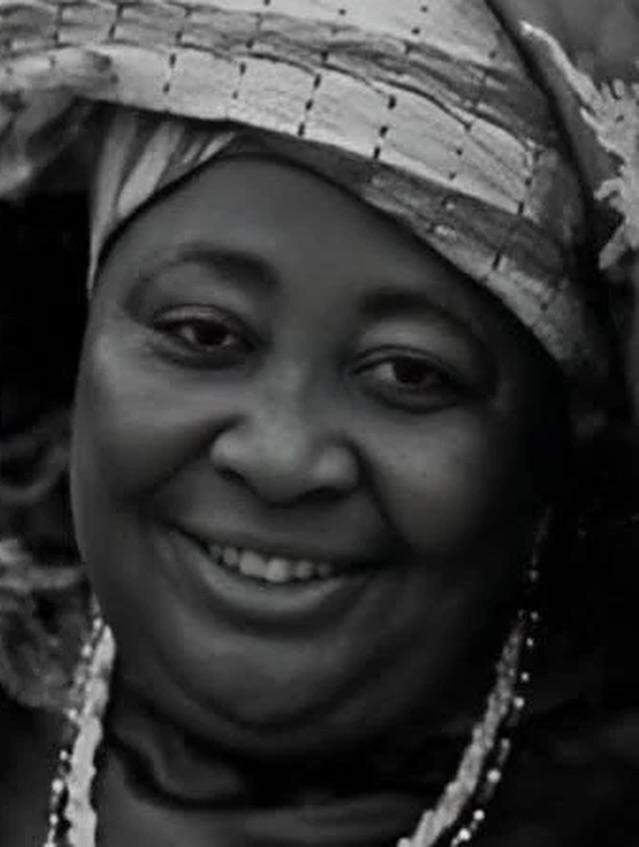
Hajaratu Gambo Sawaba (born 15 February 1933 in Lavun, Niger State – died October 2001 in Zaria, Kaduna State) emerged as a resolute and visionary Nigerian political activist, women’s rights champion and philanthropist. Endearingly called the “Lioness of the North,” she boldly confronted entrenched gender, colonial and class injustices in Nigeria’s northern region and became a powerful voice for liberation and reform.
Gambo Sawaba Education and Early Life
Born into a family of mixed heritage her father, Isa Amarteifio, a Ghanaian immigrant and her mother, Fatima, a Nupe woman from Lavun. Gambo experienced a childhood shaped by loss and early challenges. She attended the Native Authority Primary School in Tudun Wada but had to leave school when her father died in 1943 and her mother followed in 1946, cutting short her formal education. Early on she displayed a fierce sense of justice by protecting weaker children, befriending mentally disabled peers, and self-describing a young girl who would say “I have bought this fight from you” before stepping in. At only 13 she entered into marriage, which ended with abandonment, an experience that deepened her resolve to challenge child marriage and the systemic neglect of women.
Gambo Sawaba Major Life Events
At just 17, Sawaba stepped into formal politics by joining the Northern Elements Progressive Union (NEPU), an opposition party in northern Nigeria that challenged the dominant emir-and-colonial backed structure. She earned her nickname “Sawaba” (meaning “freedom” or “redemption” in Hausa) from party leader Aminu Kano after she became President of NEPU’s women’s wing and fearlessly spoke at a men’s gathering. Under the mentorship of Funmilayo Ransome‑Kuti, with whom she visited in Abeokuta, Sawaba sharpened her activism and learned media, organisational and political tactics for women’s rights. She mounted campaigns against child marriage, forced and unpaid labour, under-education of girls, and unfair taxation, especially targeting policies affecting northerners. Because of her activism she faced 16 documented arrests and endured harsh imprisoent, including beatings, being stripped and having her hair shaved by broken bottles. Beyond politics, she engaged in small-scale trading and contracting in the 1970s, and opened her home as a refuge for the poor and mentally challenged.
Gambo Sawaba Professional Achievements
Sawaba’s achievements lie not in electoral office but in transformational activism and organisational leadership. She became the first female leader of NEPU’s national women’s wing, and later served as Deputy National Chairman of the Great Nigeria People’s Party (GNPP). She helped embed women’s advocacy into the politics of northern Nigeria, linking gender justice with class struggle. Her persistent calls for women’s education and suffrage contributed over decades to the eventual enfranchisement of northern women, though she did not live to see full equality. Her legacy became institutionalised: the Gambo Sawaba General Hospital in Kaduna is named in her honour, and the 2023 Community Impact Award at the CAHR Awards Africa carries her name.
Gambo Sawaba Personal Life
Sawaba married first at age 13 to World War II veteran Abubakar Bello (which ended when he abandoned her during pregnancy). She subsequently married at least two more times, with lives often marked by personal turbulence. Although she had limited formal education and no held public office, she remained intensely committed to activism. Her daughter, Bilikisu, recalls that her home in Zaria became a centre of political strategy, adoption of homeless children and community care. She died on 14 October 2001 at Ahmadu Bello University Teaching Hospital in Zaria, aged 68.
Gambo Sawaba Legacy and Impact
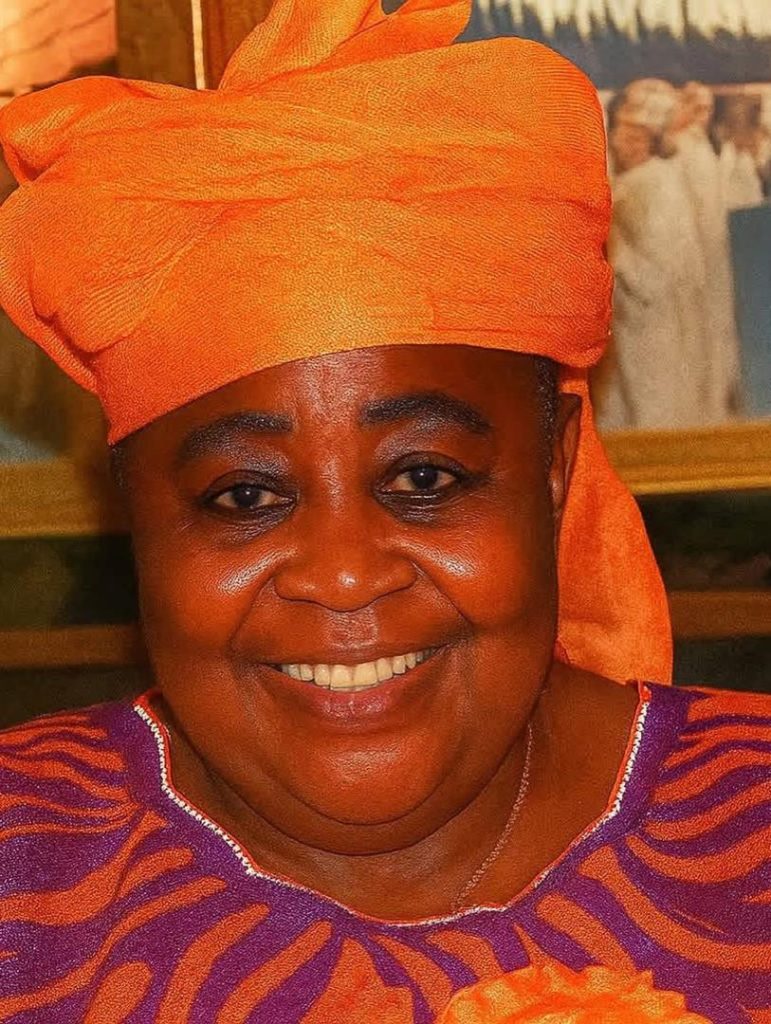
Gambo Sawaba transformed the possibilities for women in northern Nigeria. She challenged taboos, walked into spaces reserved for men, mobilised women in purdah, and fused women’s rights with class liberation in a region frozen by tradition and feudal power. Her activism encouraged generations of women politicians in the region and remains a reference point for gender justice. Her persistent resistance and strategic vision earned her the title “most jailed Nigerian female politician”. Beyond politics her humanitarian work, caring for orphans and sheltering the needy, gave her a reputation as a leader who lived her values. Her true legacy is evident in the structures, awards and memory that carry her name and in the women, empowered to rise because she refused to be silent.
Conclusion
Gambo Sawaba’s life was a that of courage, conviction and unwavering service. From early orphanhood and forced marriage to standing on podiums and storms of imprisonment, she refused to yield. She built her voice, created coalitions, and paved a path for women to lead in a region where silence was expected. Her story is a reminder that change rarely comes easily, but boldness, purpose and perseverance can reshape the world.







Leave a Reply