


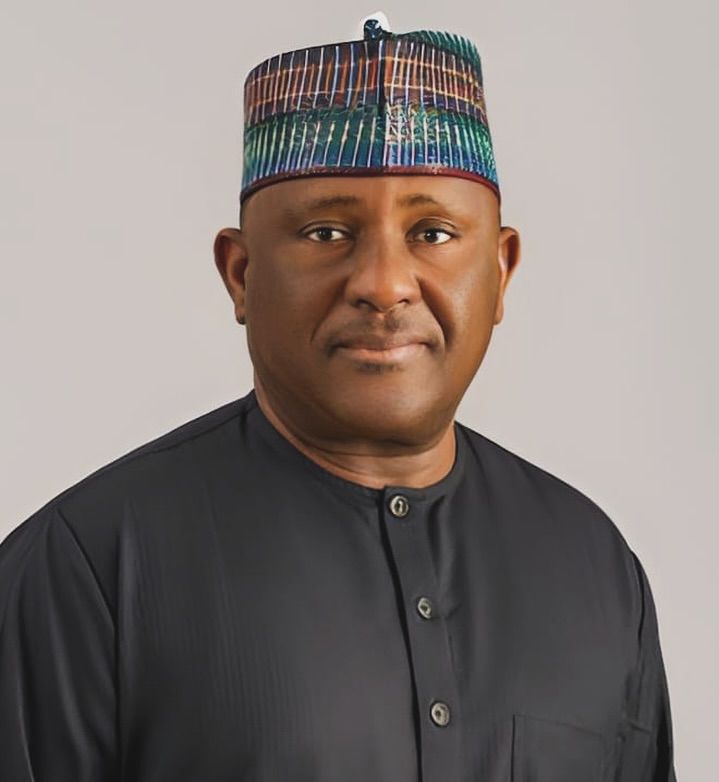
Abdul Samad Isyaku Rabiu CFR, CON (born 4 August 1960) is a Nigerian businessman, industrialist, and philanthropist. As of 2025, he ranks among Nigeria’s richest individuals, with an estimated net worth of $7.6 billion according to Forbes. He was born and raised in Kano State, Nigeria, into a prominent trading family. His late father, Khalifa Isyaku Rabiu, was one of Nigeria’s foremost industrialists in the 1970s and 1980s, laying a foundation of commerce that later influenced Abdul Samad’s career.
Rabiu is best known as the Founder and Chairman of BUA Group, a Nigerian conglomerate focused on manufacturing, infrastructure, and agriculture, generating over $2.5 billion in annual revenue under his leadership. He also served as Chairman of the Nigerian Bank of Industry (BOI), where he played a key role in aligning private capital with national industrial growth.
Through BUA Cement Plc, one of the group’s flagship publicly listed entities, Rabiu has remained a major force on the Nigerian Exchange, strengthening investor confidence in indigenous manufacturing companies.
Abdul Samad Rabiu Education and Early Career
Abdul Samad Rabiu pursued higher education abroad, attending Capital University in Columbus, Ohio, U.S., where he studied Economics. His academic training gave him a global perspective on markets, trade, and industrial strategy.
After graduating, Rabiu returned to Nigeria to engage directly in commerce. At the time, his father faced legal challenges related to rice import duties, and Rabiu stepped in to help oversee family business interests. This early experience strengthened his resilience and commercial instincts, ultimately inspiring him to establish his own company.
Abdul Samad Rabiu Major Life Events
In 1988, Rabiu founded BUA International Limited with a focus on commodity trading, importing rice, edible oil, flour, and steel products. The company grew steadily, securing a contract with the government in 1990 to supply raw materials to the then-state-owned Delta Steel Company in exchange for finished products, a milestone that provided a crucial boost to the young business.
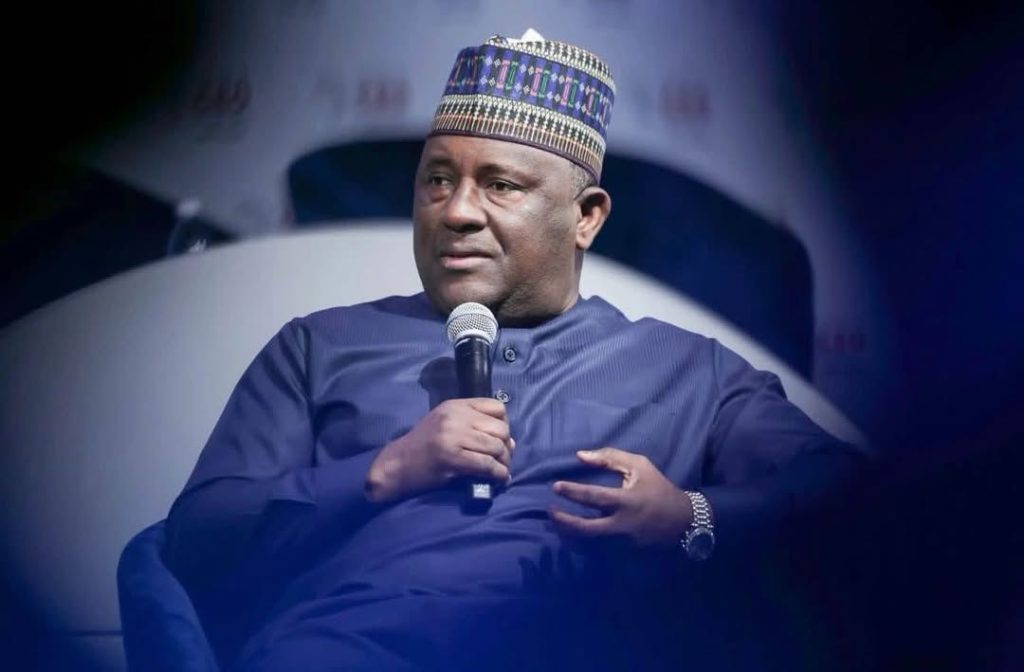
Over the years, BUA expanded into steel production, flour milling, sugar refining, and cement manufacturing. By 2008, Rabiu broke an eight-year monopoly in Nigeria’s sugar industry by commissioning the second largest sugar refinery in sub-Saharan Africa. In 2009, BUA acquired a controlling stake in a publicly listed cement company and began constructing a major cement plant in Edo State, completed in 2015, helping reposition Nigeria as a hub for domestic cement production.
Abdul Samad Rabiu Professional Achievements
Under Rabiu’s leadership, BUA Group has become one of West Africa’s most diversified and influential industrial conglomerates. Rabiu built businesses in sugar, flour milling, cement, steel, and logistics, positioning BUA as a key player in reducing Nigeria’s reliance on imports and advancing local production capabilities.
His strategic investments transformed sectors long dominated by foreign players and helped generate jobs across the nation. In 2024, BUA Cement Plc emerged as one of the most actively traded industrial stocks on the Nigerian Exchange, benefiting from increased demand for locally produced cement and improved operational efficiency. The company’s market performance reflected growing investor trust in Rabiu’s long-term industrial strategy.
By 2025, BUA Cement continued to strengthen its market capitalization, ranking among the most valuable manufacturing stocks on the Exchange, while sustaining dividend payouts and reinforcing its reputation as a stable blue-chip stock within Nigeria’s industrial sector.
Rabiu’s business acumen has earned him frequent placement on Forbes Africa’s Billionaires List and recognition as one of the continent’s most impactful business leaders.
In 2025, Rabiu extended his influence beyond industry into sports development. Following Nigeria’s 2–0 victory over Algeria in the Africa Cup of Nations (AFCON) 2025 quarter-final, he pledged significant financial incentives to the Super Eagles to motivate their continental campaign. He promised $500,000 if the team won their semi-final, along with performance bonuses tied to goals, and an additional $1 million if Nigeria won the final, plus goal bonusesa pledge he reaffirmed even after Nigeria’s semi-final exit. His gesture energized national pride and illustrated his belief in the unifying power of sport.
Abdul Samad Rabiu Personal Life
Rabiu maintains a rich family life. He was married to Hannatu Musawa, and they have four children: Khadija Cookie Rabiu, Isyaku Khalifa Rabiu, Junaid Rabiu, and Rania Rabiu. He is part of a large extended family and counts 42 siblings, including notable businessman Rabiu Rabiu, former chairman of IRS Airlines. While Rabiu’s work commands public attention, he keeps his family life relatively private and grounded.
Abdul Samad Rabiu Legacy and Impact
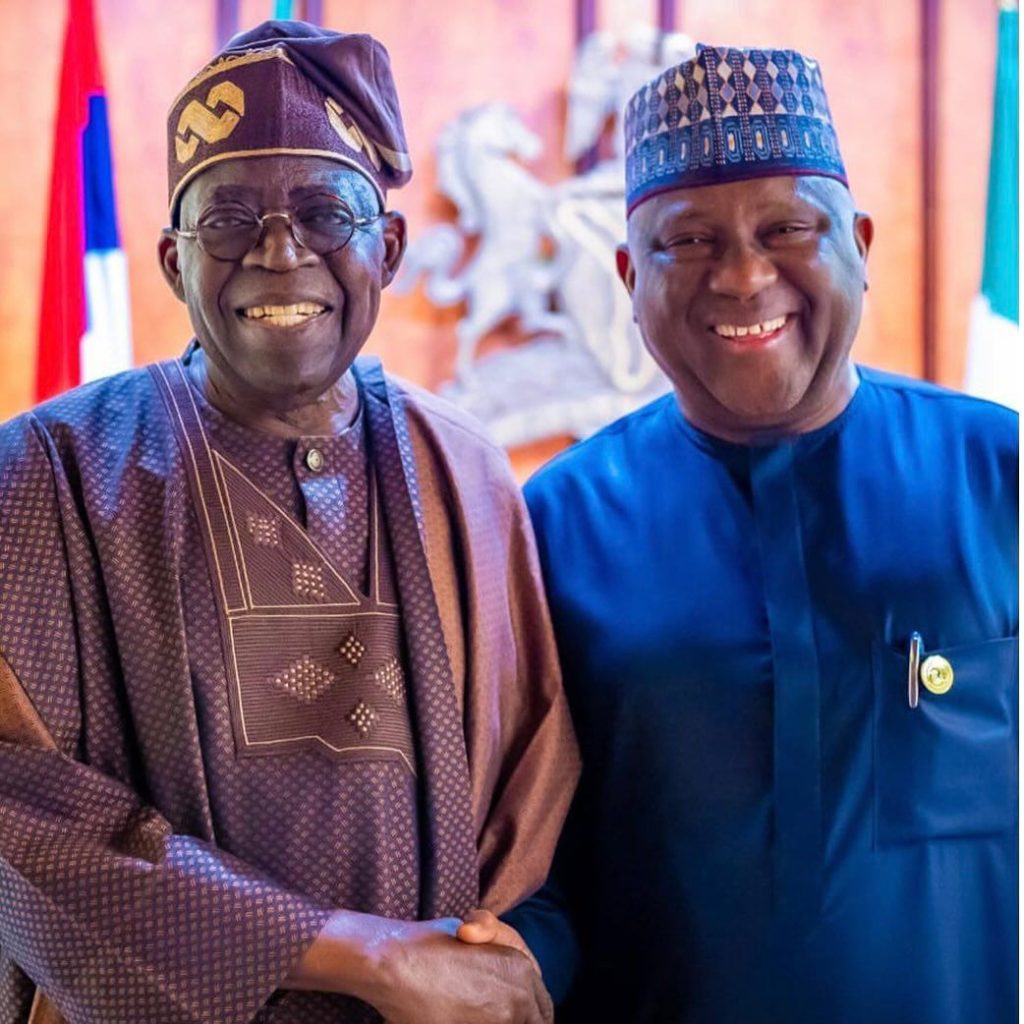
Abdul Samad Rabiu’s legacy is anchored in industrial empowerment, economic transformation, and strategic philanthropy. Through the BUA Foundation, he funds significant projects, including the construction of a 7,000-square-meter pediatric ward at Aminu Kano Teaching Hospital and the Centre for Islamic Studies at Bayero University Kano, among others efforts that have improved healthcare, education, and community infrastructure across Nigeria.
His support of the Super Eagles during AFCON 2025 exemplified how private sector leaders can galvanize national unity and celebrate sporting excellence, setting a new standard for corporate involvement in national development.
Rabiu also holds multiple national and international honors, including Commander of the Order of the Federal Republic (CFR), Commander of the Order of the Niger (CON), and the Grand Commander of the Order of Merit of Niger (GCON), accolades that reflect his contributions to business and society.
Conclusion
Abdul Samad Rabiu’s journey reflects vision, resilience, and commitment to nation-building. From a young entrepreneur navigating early challenges to the helm of a multinational industrial powerhouse, he has consistently championed economic progress and social investment. His strategic thinking and philanthropic ethos continue to shape industries, uplift communities, and inspire future leaders.
Through his business leadership and spirited support for national causes like AFCON 2025, Rabiu showcases how sustained dedication, purpose-driven action, and national pride can leave a lasting legacy well beyond profit.



Leave a Reply