


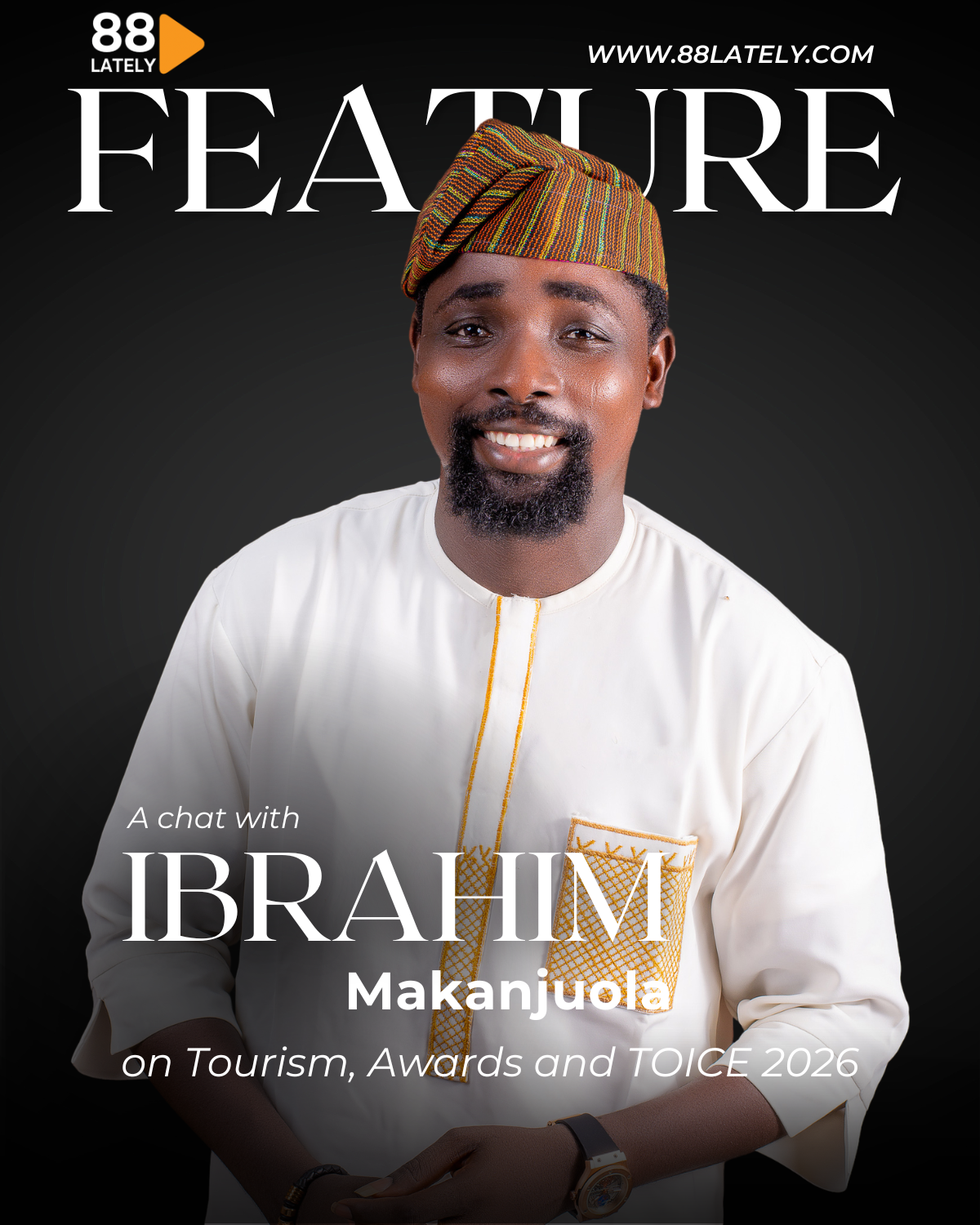
Tourism is one of Africa’s most valuable yet underexplored economic opportunities. From its natural landscapes and historical sites to its rich cultures and hospitality, the continent has so much to offer. However, turning these attractions into thriving tourism destinations requires more than beautiful locations. It takes people who are willing to explore, promote, build businesses, create opportunities and advocate for the industry.
One of the professionals contributing to this work is Makanjuola Ibrahim Adebusoye, an award-winning Nigerian tourism professional, certified tour operator and advocate for domestic and African tourism. Recognised among the Top 100 Tourism Personalities in Nigeria in 2019, Ibrahim recently received the Young Tourism Personality of the Year Award at the Africa Travel Awards 2026, adding another important recognition to his growing list of industry achievements.
A graduate of the Federal University of Agriculture, Abeokuta, where he studied Hospitality and Tourism Management, Ibrahim is currently pursuing his MSc at the University of Ibadan. He is the Managing Director of Getittome Travels, Co-founder of Nigeria Tourism Lovers and Convener of the Tour Operators International Conference and Expo (TOICE).
Having explored more than 25 states in Nigeria, Ibrahim is passionate about encouraging Nigerians, particularly young people, to discover their country and appreciate the tourism opportunities within it. His work also extends to creating platforms that bring tourism professionals together, promote industry knowledge and encourage collaboration.
As preparations continue for TOICE 2026, scheduled for November 25, we speak with Ibrahim about his latest award, his journey in tourism, the work behind Nigeria Tourism Lovers and TOICE, and what it will take to unlock Nigeria and Africa’s tourism potential.
Congratulations on winning the Young Tourism Personality of the Year Award at the Africa Travel Awards 2026! You were previously recognised among the Top 100 Tourism Personalities in Nigeria in 2019 and have received other nominations, including The Pyne Award and Nigeria Tourism Award. What does this latest recognition mean to you, and how does it reflect the journey you have made in the tourism industry so far?
Thank you very much. Winning the Young Tourism Personality of the Year at the Africa Travel Awards 2026 is a deeply meaningful milestone in my journey. It is not just an award; for me, it is a recognition of years of commitment, passion, sacrifice and consistent contribution to the growth of tourism.
When I was recognised among the Top 100 Tourism Personalities in Nigeria in 2019, it was a strong encouragement to keep pushing. Since then, I have continued to grow, build businesses, create communities and advocate for a stronger tourism industry. This latest recognition tells me that the journey has been worthwhile.
More importantly, I see this award as a responsibility rather than a personal achievement alone. It challenges me to do more, create greater impact and inspire other young people to see tourism as a viable career and business opportunity. I am grateful to everyone who has supported my journey, and I dedicate this recognition to the many people working tirelessly to develop tourism across Nigeria and Africa.
Take us back to the beginning. How did you get into tourism, and what made you decide to build a career in this industry? Was there a particular experience or discovery that made you realise tourism was something you wanted to pursue professionally?
My journey into tourism started with an interest in hospitality, travel and the experiences that connect people to places and cultures. I studied Hospitality and Tourism Management at the Federal University of Agriculture, Abeokuta, now FUNAAB, where I obtained my bachelor’s degree, alongside other professional tourism qualifications.
During my studies, I began to understand that tourism was much more than travelling or visiting attractions. It was an industry capable of creating jobs, supporting businesses, preserving culture and contributing significantly to economic development.
What particularly attracted me was the opportunity to make people experience something beyond their everyday environment. I realised that Nigeria had so much to offer, but many Nigerians were either unaware of these attractions or had not experienced them.
That discovery became a major motivation for me. I wanted to contribute to changing that narrative by encouraging Nigerians to explore their country and by building businesses and platforms that would make tourism more accessible, enjoyable and professionally organised.
Over time, what began as an interest became a career, a business, a passion and eventually a responsibility to the industry.
You have explored more than 25 states in Nigeria. Which destinations have left the strongest impression on you, and what are some of the places or experiences you have introduced to travellers that you believe more Nigerians should know about? Are there destinations you think are particularly underrated?
Nigeria is absolutely blessed with an incredible abundance of natural, breathtaking and culturally rich destinations. Sincerely, this is one of the most difficult questions to answer for anyone who has travelled extensively across the country, because every destination offers something unique and unforgettable.
However, there are moments when you visit certain places and find yourself asking, “Is this really Nigeria?” Those are the kinds of experiences that leave lasting impressions.
In no particular order, some of the destinations that have particularly impressed me include:
● Agbokim Waterfalls, Cross River State
● The breathtaking landscapes of Gambu, Taraba State
● Sumu Wildlife Park, Bauchi State
● Olumirin (Erin Ijesha) Waterfalls, Osun State
● The spectacular sand dunes of Yobe State
● River Ethiope, Delta State
● The Warm and Cold Springs of Ikogosi, Ekiti State
And honestly, the list is endless!
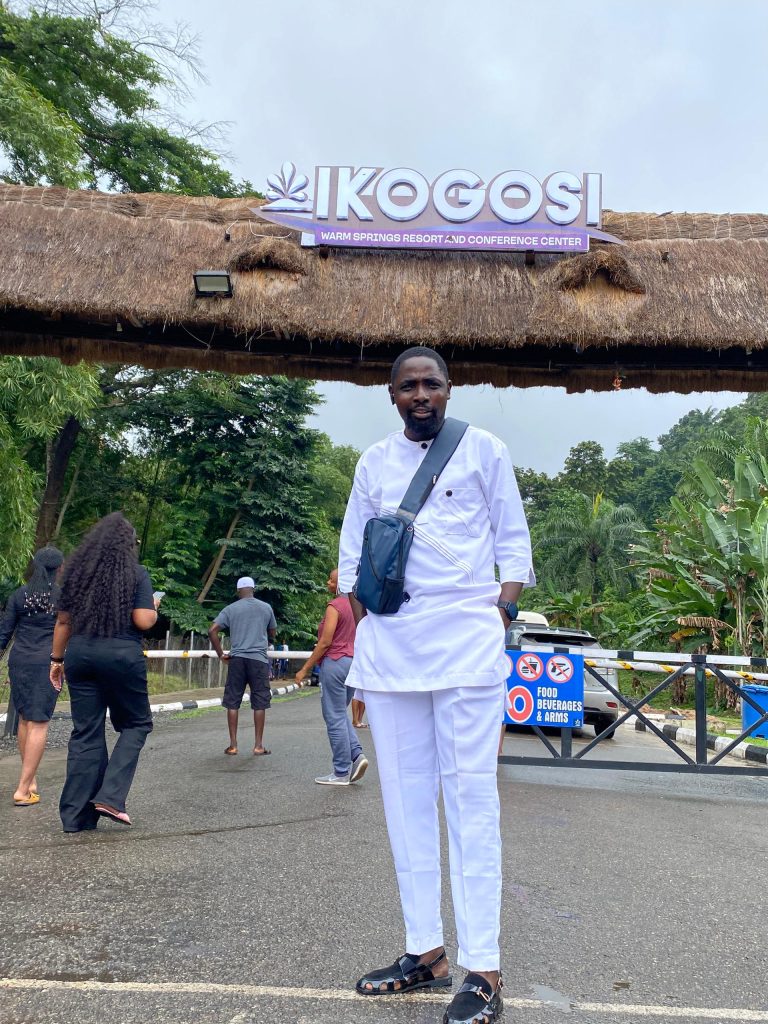
One thing travelling across Nigeria has taught me is that we do not necessarily lack attractions; what we often lack is the investment, awareness, infrastructure, accessibility and professional packaging required to transform these attractions into compelling tourism experiences.
There are so many incredible destinations across Nigeria that deserve greater visibility, investment and recognition. Many Nigerians are yet to discover the extraordinary beauty, diversity and experiences their own country has to offer.
My personal mission has always been to encourage Nigerians to explore and appreciate the beauty within their own country before looking beyond its borders. I strongly believe that Nigeria deserves to be experienced, celebrated and promoted by Nigerians themselves.
Through Getittome Travels, you have the opportunity to take people beyond their everyday environments and introduce them to new places and experiences. What has been your experience operating tours in Nigeria? What do travellers look for, and what have you learnt about getting Nigerians to embrace domestic
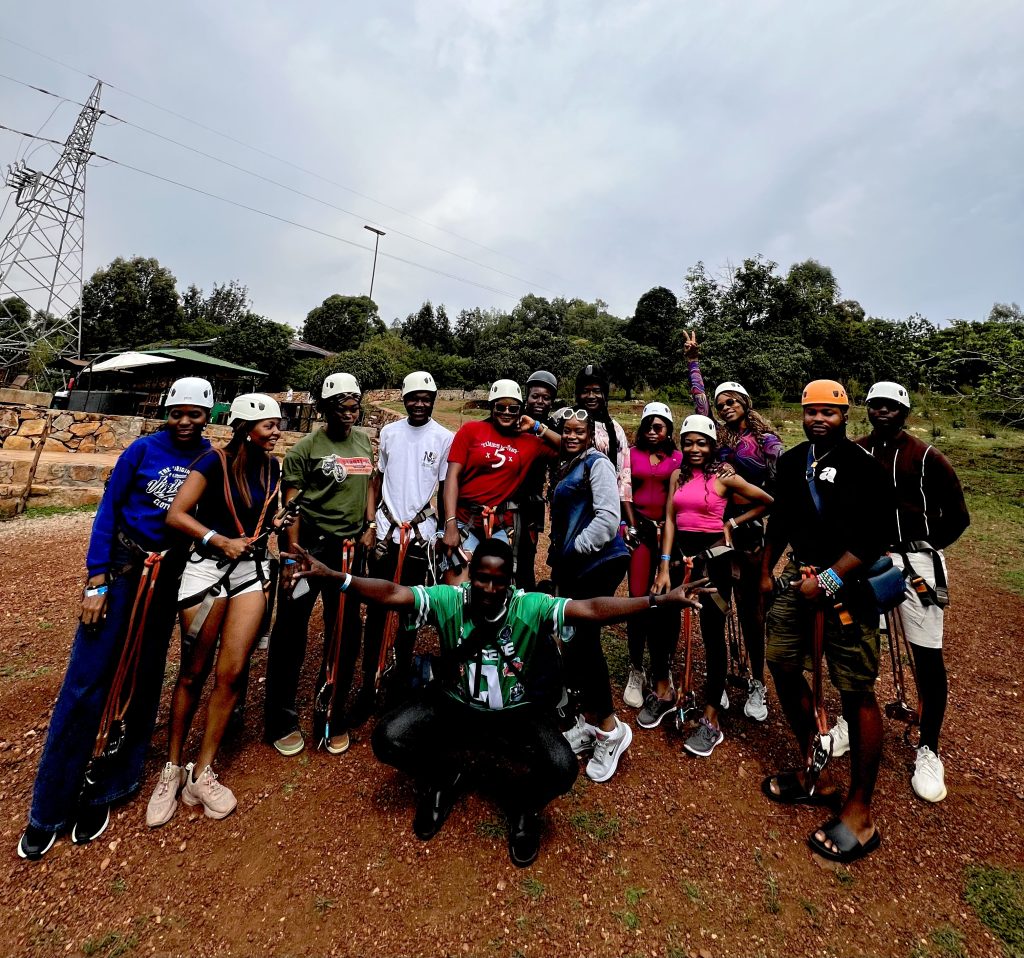
Operating tours in Nigeria has been both exciting and challenging. It has given me firsthand experience of the enormous opportunities within domestic tourism, as well as the realities tour operators face.
One thing I have learnt is that Nigerians love experiences. People want to relax, reconnect with friends and family, celebrate milestones, explore new destinations and create memorable moments. However, they also want value for money, comfort, safety, good organisation and reliable service.
At Getittome Travels, we have learnt that international and domestic tourism becomes more attractive when it is properly packaged. People are more willing to travel when transportation, accommodation, activities, meals and logistics are clearly organised.
Another important lesson is that price alone does not determine patronage. Trust, professionalism, communication and the quality of the experience are equally important.
We must also understand that tourism is not only for the wealthy. With proper planning and innovative packaging, people can explore destinations at different budget levels.
Ultimately, our responsibility as tour operators is to make travel enjoyable, accessible, safe and worth the investment.
You are also a Co-founder of Nigeria Tourism Lovers. What inspired the creation of this community, and what gap were you hoping to fill? What activities does the community currently undertake, and how do you measure its impact on people’s interest in exploring Nigeria?
Nigeria Tourism Lovers was established in 2017 by myself and I was later joined by my co-founder, Kingsley Nwachukwu, out of a shared passion for promoting Nigeria to Nigerians.
At the time, we recognised a significant gap between Nigeria’s tourism potential and the level of awareness among Nigerians themselves. Many people were familiar with international destinations but knew very little about attractions, cultures and experiences within their own country.
We wanted to create a community that would inspire people to explore Nigeria, connect tourism enthusiasts and provide opportunities for people to learn, travel and appreciate our cultural heritage.
Over the years, Nigeria Tourism Lovers has grown into a community involving tourism enthusiasts, professionals and young people. We have organised domestic tourism experiences, destination explorations and community initiatives, including visits to Idere Hills and Ayikunugba Waterfalls.
Our impact is reflected in the number of people we have introduced to destinations they had never previously considered visiting, the relationships we have built across the tourism ecosystem and the growing interest in domestic travel among our community members.
For me, Nigeria Tourism Lovers represents a simple but powerful philosophy: if Nigerians do not explore, appreciate and promote their own country, we cannot expect the rest of the world to do so effectively.
Beyond promoting destinations and organising trips, you have taken on the responsibility of building platforms for other tourism professionals through the Tour Operators International Conference and Expo (TOICE). Why did you feel Nigerian tour operators needed a dedicated conference and expo, and what challenges within the industry were you hoping it would
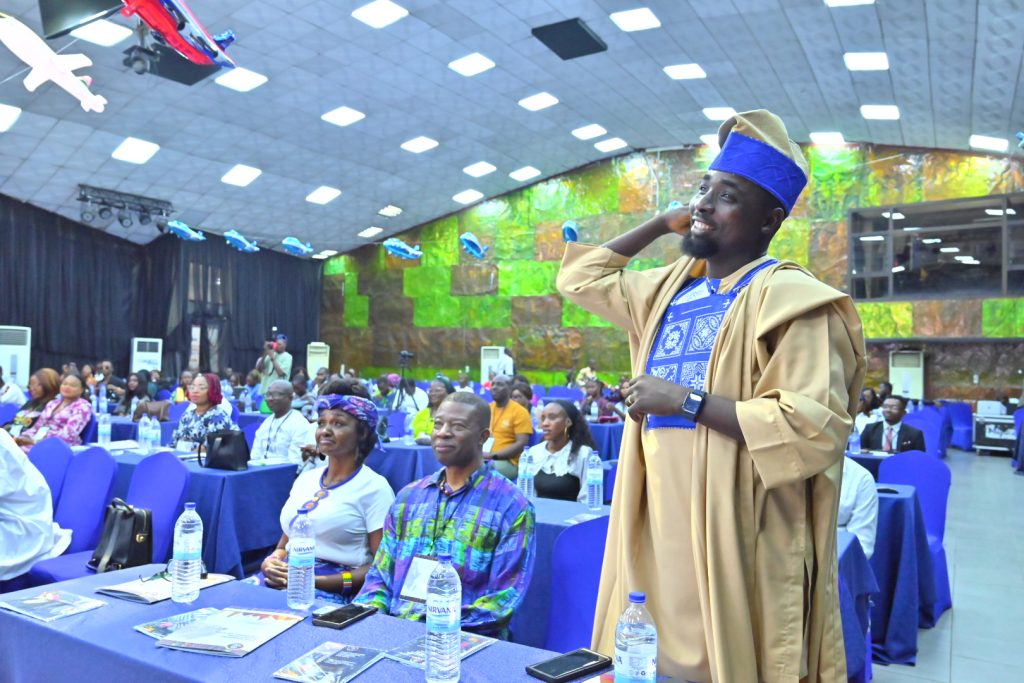
TOICE was born out of the need to create a platform where tour operators could come together not just to network, but to learn, collaborate, grow their businesses and address shared industry
Tour operators are critical to tourism development. We connect travellers to destinations, hotels, airlines, attractions, experiences and other service providers. Yet, for a long time, many operators have worked independently, with limited opportunities for structured professional development, business partnerships and industry-wide conversations. Special shoutout to Nigerian Associations of Tour Operators, they have been really helpful to give tour operators a voice.
We recognised the need for a platform that would bring operators and other tourism stakeholders together to discuss the realities of running tourism businesses, including pricing, customer acquisition, operational standards, technology, profitability, destination development and sustainability.
TOICE, which stands for Tour Operators International Conference and Expo, was created to bridge that gap.
Our vision is to move the industry beyond fragmented operations towards stronger collaboration, professionalisation and commercial growth. We want tour operators to see themselves not merely as travel agents or trip organisers, but as entrepreneurs and critical players in the tourism value chain.
Following the maiden edition of TOICE in 2025, the 2026 edition is coming up on November 25. What should participants, exhibitors and other tourism stakeholders expect this year? Can you tell us about the theme, programme, speakers, partnerships and any new features planned for the event? What would you say is the biggest difference between this edition and the maiden edition?
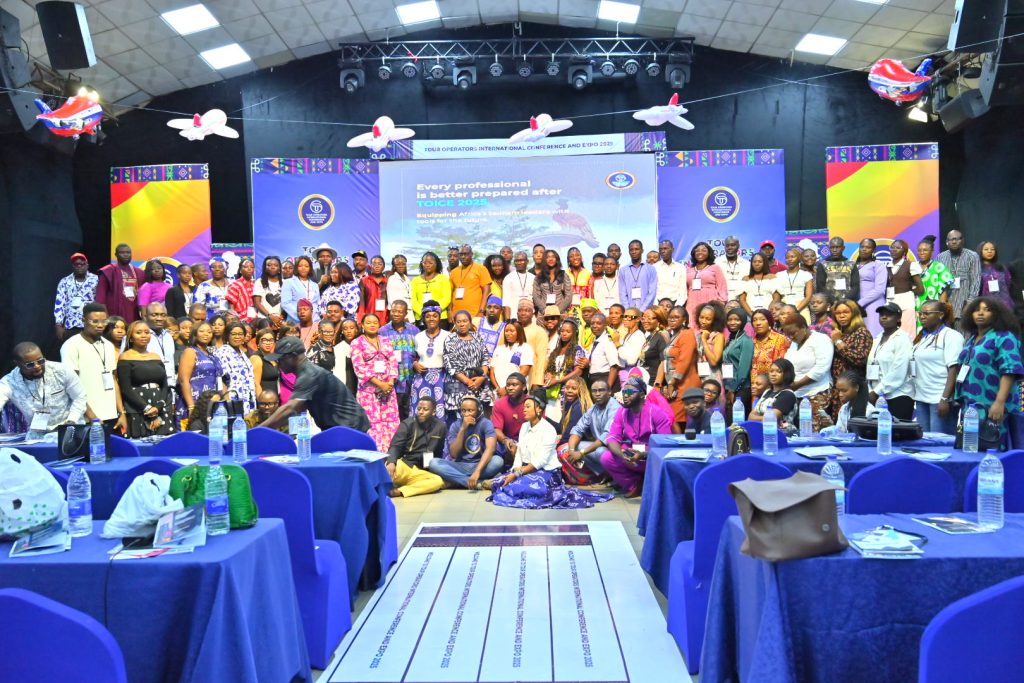
The second edition of TOICE will hold on November 25, 2026, at Golfview Suites and Conference Center, Ikeja, Lagos, with the theme “From Collaboration to Commercialisation: Building Strategic Partnerships That Drive Profit and Sustainable Growth in African Tourism.” The theme reflects our commitment to moving beyond networking to creating meaningful partnerships that translate into revenue, business opportunities and measurable outcomes.
Participants should expect an engaging programme featuring industry discussions, business networking, exhibitions, professional development and opportunities to connect with tourism stakeholders across different segments of the value chain. We will be exploring issues around business growth, strategic partnerships, innovation, destination marketing and sustainable tourism.
A major highlight of TOICE 2026 will be our specialised AI workshop titled “THE BUSINESS OF BETTER PROMPTS: MASTERING AI PROMPT ENGINEERING FOR TOURISM PROFESSIONALS.” This workshop will equip tourism professionals with practical knowledge of prompt engineering and how to leverage AI tools to improve productivity, marketing, customer engagement and business operations.
Participants who successfully pass the assessment test after the workshop will receive their certificates instantly. This reinforces our commitment to making TOICE a platform not only for networking but also for professional development, capacity building and industry advancement.
Compared to the maiden edition in 2025, TOICE 2026 places greater emphasis on commercialisation, innovation and practical business outcomes. We are building on last year’s foundation to help tourism businesses translate relationships into opportunities and partnerships into sustainable growth. TOICE 2026 is more than a tourism gathering; it is a platform designed to shape the future of tourism business in Africa.
TOICE brings together people and businesses operating in different parts of the tourism ecosystem. Beyond the conference itself, what practical outcomes do you want to see from these gatherings? How do you intend to ensure that the conversations, connections and partnerships formed at TOICE translate into real business growth and stronger collaboration among tour operators?
For me, the real success of TOICE is not determined only by attendance, the number of speakers or how impressive the event looks. The real success is what happens after the event.
We want operators to establish partnerships that enable them to jointly package destinations, exchange clients, access new markets, improve service delivery and create better travel experiences.
We also want to encourage commercial relationships between tour operators, hotels, airlines, attractions, destination management organisations, technology providers and other tourism businesses.
Our long-term ambition is to make TOICE a platform where businesses can find partners, identify opportunities, share knowledge and build relationships that continue beyond November 25.
We are particularly interested in encouraging collaboration among African tour operators. Imagine a Nigerian operator partnering with counterparts in Rwanda, Ghana, Kenya or South Africa to develop cross-border packages and refer clients to one another.
That is the kind of practical collaboration that can help African tourism grow.
We believe that when operators become more profitable, professional and connected, the entire tourism ecosystem benefits.
Nigeria has an abundance of tourism attractions, but the industry still faces challenges around infrastructure, security concerns, access to destinations, funding, government support, awareness and service standards. From your experience as a tour operator, what are the biggest obstacles holding Nigerian tourism back, and which of these do you believe should be addressed most urgently?
From my experience as a tour operator, I believe some of our biggest challenges are inadequate infrastructure, security concerns, poor accessibility to destinations, limited investment, inconsistent policy implementation and insufficient awareness of tourism’s economic importance.
Many of our attractions are located in areas where roads, accommodation, connectivity and visitor facilities are inadequate. In some cases, the attractions themselves are beautiful, but the experience of getting there and enjoying them is not sufficiently developed.
Security is another major concern. Tourism depends significantly on confidence. Travellers need to feel safe before, during and after their journeys. Without effective security and reliable information, destinations struggle to attract visitors.
We also have a funding challenge. Tourism businesses, particularly small and medium-sized operators, often struggle to access affordable financing for expansion, technology, marketing and staff development.
However, if I were to prioritise, I would begin with security, infrastructure and a coordinated government approach to tourism development.
Government must create an enabling environment, invest in essential infrastructure, support destination development and provide policies that encourage private-sector investment.
Tourism cannot thrive when operators are left to solve every challenge individually. It requires collaboration between government, the private sector, communities and other stakeholders.
Tourism is often discussed as a source of revenue, but its contribution to nation building goes much further. How can a stronger tourism industry create jobs, support local businesses, preserve culture and heritage, encourage national pride and improve how Nigeria is perceived internationally? What role should young Nigerians play in making this happen?
Tourism is one of the industries with the capacity to connect economic development with cultural preservation, employment creation and national identity.
When a destination attracts visitors, the benefits extend beyond the tour operator. Hotels, restaurants, transport providers, artisans, farmers, photographers, entertainers, local guides and small businesses all have opportunities to earn income.
Tourism also creates opportunities for young people who may not necessarily have access to traditional employment pathways. They can build careers in tour operations, hospitality, content creation, destination marketing, event management, technology and tourism entrepreneurship.
Beyond economics, tourism helps Nigerians understand one another better. When people travel across different regions, they encounter different cultures, languages, traditions and ways of life. This can strengthen national unity, tolerance and appreciation of our diversity.
Tourism also allows us to preserve and promote our heritage. Cultural festivals, traditional crafts, historic sites and indigenous knowledge can become valuable assets when managed responsibly.
Young Nigerians have a particularly important role to play. They must become explorers, storytellers, entrepreneurs, innovators and advocates for Nigerian tourism.
I always encourage young people to see tourism not simply as an opportunity to travel, but as an opportunity to create wealth, tell our stories and contribute to nation-building.
Looking beyond Nigeria, how do you assess the state of African tourism? What can African countries learn from one another, and what needs to happen for the continent to attract more international visitors while also encouraging Africans to travel within Africa? Are there particular tourism models the continent can adopt or learn from other regions?
Africa is one of the most exciting tourism destinations in the world, with extraordinary natural landscapes, cultural diversity, heritage, wildlife, hospitality and authentic experiences.
However, I believe the continent has not fully realised its tourism potential. One of our major challenges is that African countries often promote themselves independently without sufficiently leveraging the opportunities that exist across the continent.
We need stronger regional cooperation, improved connectivity, easier visa processes, better infrastructure, investment in tourism businesses and more deliberate destination marketing.
African countries can learn tremendously from one another. Rwanda, for instance, has demonstrated the value of strategic destination branding and investment in tourism experiences. Kenya and South Africa have strong lessons in tourism development, marketing and product diversification. Ghana has also demonstrated how cultural heritage and diaspora engagement can generate tourism interest.
But beyond learning from individual countries, Africa needs to develop a stronger intra-African tourism culture.
We must make it easier for Africans to travel within Africa, discover one another and develop cross-border experiences. Visa restrictions, expensive flights and limited connectivity remain significant barriers.
I also believe we should learn from regional tourism models in Europe and Southeast Asia, where connectivity, cooperation and multi-country travel experiences encourage visitors to explore more than one destination.
Africa should not only compete for international visitors; we must also build a continent where Africans themselves are enthusiastic travellers.
The future of African tourism lies in collaboration, accessibility, storytelling, investment and the ability to convert our enormous cultural and natural assets into sustainable economic opportunities.
You are a tourism professional, entrepreneur, community builder and currently pursuing a postgraduate degree in the field. What are your bigger ambitions for your career and the organisations you lead? Where would you like to see Getittome Travels, Nigeria Tourism Lovers and TOICE in the next five years, and what would you like your contribution to Nigerian and African tourism to be remembered for?
My ambition is to contribute meaningfully to the transformation of Nigerian and African tourism through entrepreneurship, advocacy, research, professional development and institution-building.
For Getittome Travels, I envision a stronger and more internationally recognised tourism brand with improved operational systems, wider destination coverage, stronger partnerships and a greater capacity to deliver memorable experiences across Nigeria, Africa and beyond.
For Nigeria Tourism Lovers, I want to see a more structured and impactful community that continues to inspire Nigerians to explore their country, supports tourism education and contributes to destination awareness and development.
For TOICE, the ambition is even broader. I want TOICE to become one of Africa’s leading platforms for tour operators and tourism businesses, attracting participants, exhibitors, partners and industry leaders from across the continent and beyond.
I am also currently pursuing my MSc at the University of Ibadan, which is an important part of my commitment to combining professional experience with academic knowledge. I believe that the future of tourism requires people who understand both the business realities and the research that can inform better decisions.
Ultimately, I want my contribution to be remembered for building platforms, creating opportunities, empowering tourism professionals and helping change the narrative about Nigeria and Africa.
If, in the years ahead, more young Nigerians see tourism as a serious career, more operators become profitable and professional, more Africans travel within Africa, and more of our destinations receive the attention and investment they deserve, then I would consider my contribution meaningful.
For me, tourism is not just about travelling. It is about creating opportunities, connecting people, telling our stories and building a stronger future for our continent.
That is the legacy I hope to leave behind.
Building a Tourism Industry That Works for Everyone
From exploring Nigeria’s destinations to creating opportunities for tour operators and other tourism professionals, Ibrahim Makanjuola Adebusoye is building a career around the growth and promotion of tourism. His recent recognition as Young Tourism Personality of the Year at the Africa Travel Awards 2026 is another milestone in that journey.
However, his work also highlights the importance of looking beyond individual achievements. Through Getittome Travels, Nigeria Tourism Lovers and TOICE, he continues to contribute to different aspects of the tourism ecosystem, from encouraging Nigerians to explore their country to creating platforms for industry education, networking and business development.
With TOICE 2026 approaching, the focus is once again on bringing tourism stakeholders together and exploring what can be done to move the industry forward. Ultimately, Nigeria’s tourism potential will depend on the collective efforts of professionals, businesses, communities and government institutions willing to turn that potential into tangible opportunities.
For Ibrahim, the journey continues, with the hope that more Nigerians will discover their country, more African destinations will receive global recognition, and more young people will find meaningful opportunities in tourism.




Leave a Reply