


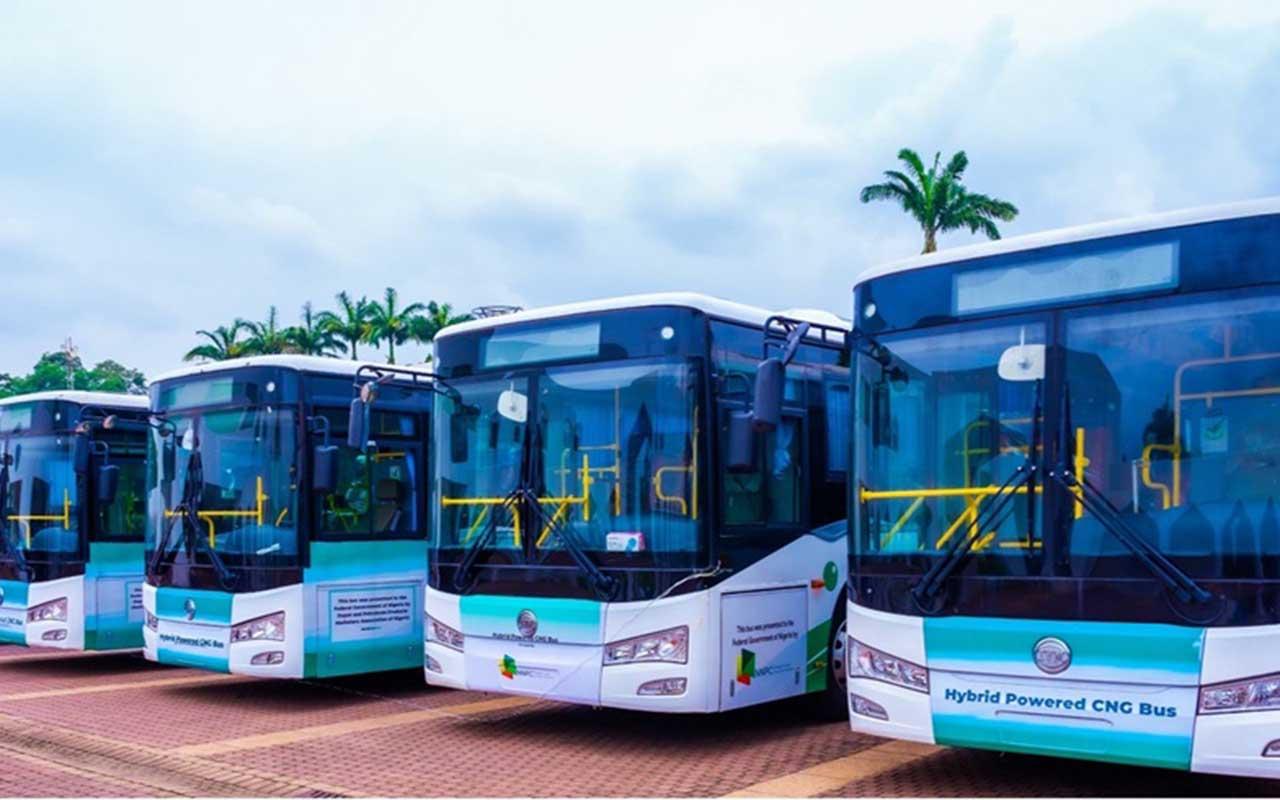
Nigeria is set to receive 300 new Compressed Natural Gas (CNG) buses following an agreement between the Federal Government, Chinese bus manufacturer Yutong and Nigerian automotive company YP Automobile.
The agreement, signed in Lagos on November 19, 2026, is part of the government’s plan to make public transportation more affordable, expand the use of alternative fuels and revive local vehicle assembly.
The first 100 buses are expected to arrive in Lagos before the end of December 2026. Subsequent buses will be assembled locally at the former Leyland Automotive plant in Ibadan, Oyo State.
Beyond adding more buses to Nigerian roads, the agreement forms part of a wider government initiative that could create jobs, support local manufacturing and reduce the amount Nigerians spend getting around.
Nigeria Set to Receive 300 New CNG Buses
Under the agreement, Yutong will supply an initial 300 CNG-powered buses to support the National Affordable CNG Transit Programme (NACTP).
The first 100 buses are expected in Lagos by the end of December 2026, while subsequent units will be assembled at the former Leyland Automotive plant in Ibadan through YP Automobiles Bus Assembly.
Yutong is one of the world’s leading bus manufacturers and reportedly sold 49,518 buses globally in 2025. The company has also supplied more than 1,400 buses to Nigeria.
The partnership is expected to introduce more modern buses into the country’s public transport system while supporting the development of local technical and manufacturing capacity.
The Government Initiative Behind the New Buses
The 300-bus agreement falls under the National Affordable CNG Transit Programme (NACTP), a Federal Government initiative designed to make public transportation cheaper through the use of CNG-powered buses.
The programme is supported by the Presidential Initiative on Compressed Natural Gas and Electric Vehicles (Pi-CNG & EV), which promotes the adoption of CNG and electric vehicles in Nigeria.
The government introduced its CNG push after the removal of the petrol subsidy in May 2023, which contributed to a sharp increase in transportation costs. With Nigeria holding substantial natural gas reserves, the government wants to encourage the use of gas as an alternative to petrol and diesel.
Under the NACTP, the government is targeting an approximately 40 per cent reduction in transport fares on participating routes between 2027 and 2031.
The idea is simple: if transport operators spend less on fuel, passengers should also pay less for their journeys.
How CNG Buses Could Make Transportation Cheaper
CNG stands for Compressed Natural Gas. It is natural gas compressed and stored in special high-pressure cylinders that power vehicles.
Unlike conventional buses that run on petrol or diesel, CNG buses use natural gas as fuel. Depending on fuel prices and access to refuelling stations, this can reduce the cost of running public transport vehicles.
The government has already highlighted examples of cheaper journeys on some routes. In Oyo State, the Lagos to Ibadan fare reportedly dropped from about ₦8,000 to ₦3,200 during the initial deployment of CNG buses. In Enugu, the government also reported lower fares on the Enugu to Nsukka route.
These examples indicate what the programme could achieve, but the proposed 40 per cent reduction is a target for participating routes, not an automatic reduction across every transport service in Nigeria.
Ibadan Assembly Plant Could Create Jobs and Boost Local Manufacturing
One of the most significant parts of the agreement is the plan to assemble buses locally at the former Leyland Automotive plant in Ibadan.
For Nigeria, this could mean more than importing buses. Local assembly can create opportunities for engineers, mechanics, technicians, factory workers and businesses supplying vehicle parts and services.
The project is also expected to facilitate technology transfer, helping Nigerian workers develop skills in commercial vehicle assembly and maintenance.
Yutong has indicated plans to work with its Nigerian partners towards assembling as many as 1,000 CNG buses locally. However, the extent of local component sourcing and the production timeline are yet to be fully disclosed.
The development could also create opportunities for businesses involved in spare parts, repairs, vehicle maintenance, logistics and transport technology.
What the New CNG Bus Initiative Means for Nigerians
If properly implemented, the initiative could make daily commuting more affordable for workers, students, traders and families who depend on commercial transportation.
However, getting 300 buses onto Nigerian roads is only one part of the work. The country will also need reliable CNG refuelling stations, trained mechanics, spare parts, proper maintenance facilities and effective transport management.
The government has also directed the expansion of CNG refuelling infrastructure, including 2,000 additional units nationwide. A digital payment and revenue-monitoring component is also part of the new agreement, intended to improve accountability and help ensure that lower operating costs translate into cheaper fares for passengers.
Ultimately, the success of this initiative will depend on what Nigerians experience at the bus stops. The real achievement will be when commuters can access reliable transportation and spend less money getting to work, school, markets and other important destinations.




Leave a Reply