


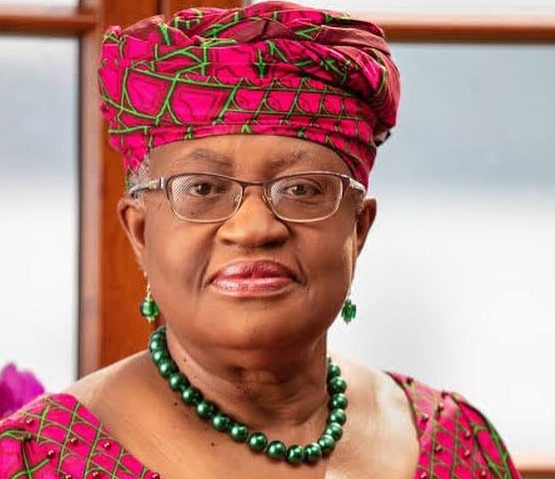
Dr. Ngozi Okonjo-Iweala, GCON, is a globally respected Nigerian economist, development expert, and international public servant. She was born on 13 June 1954 in Ogwashi-Ukwu, Delta State, Nigeria, into a distinguished academic and royal family. Her father, Professor Chukwuka Okonjo, served as the Obi (traditional ruler) of the Obahai royal family of Ogwashi-Ukwu, while her upbringing emphasized discipline, education, and public service.
Growing up in Nigeria during a period of political transitions and economic challenges exposed her early to the realities of governance, inequality, and development. These formative experiences shaped her lifelong commitment to economic reform, transparency, and inclusive growth, both in Nigeria and across the global economy.
As of 2025, Dr. Okonjo-Iweala is 70 years old and serves her second term as Director-General of the World Trade Organization (WTO), making history as the first woman and first African to hold the position.
Dr Ngozi Okonjo Iweala Education and Early Career
Dr. Okonjo-Iweala’s academic journey reflects intellectual excellence and global exposure. She began her secondary education in Nigeria, attending Queen’s School, Enugu, before continuing at St. Anne’s School, Molete, Ibadan, and later the International School, Ibadan.
In 1973, she moved to the United States to pursue higher education. She enrolled at Harvard University, where she studied economics and graduated magna cum laude in 1976 with a Bachelor of Arts degree. Her academic performance placed her among the top graduates of her class.
She proceeded to the Massachusetts Institute of Technology (MIT), earning a Master’s degree in City Planning in 1978, followed by a PhD in Regional Economics and Development in 1981. Her doctoral thesis focused on credit policy, rural financial markets, and Nigeria’s agricultural development, signaling early her interest in applying economic theory to real-world development challenges. She completed her PhD with the support of an International Fellowship from the American Association of University Women (AAUW).
Immediately after her studies, she joined the World Bank, marking the beginning of a career that would span over four decades in global economic leadership.
Dr Ngozi Okonjo Iweala Major Life Events
Several defining moments shaped Dr. Okonjo-Iweala’s life and career trajectory. Her decision to leave Nigeria for higher education in the 1970s marked her first major turning point, placing her on a global academic and professional path.
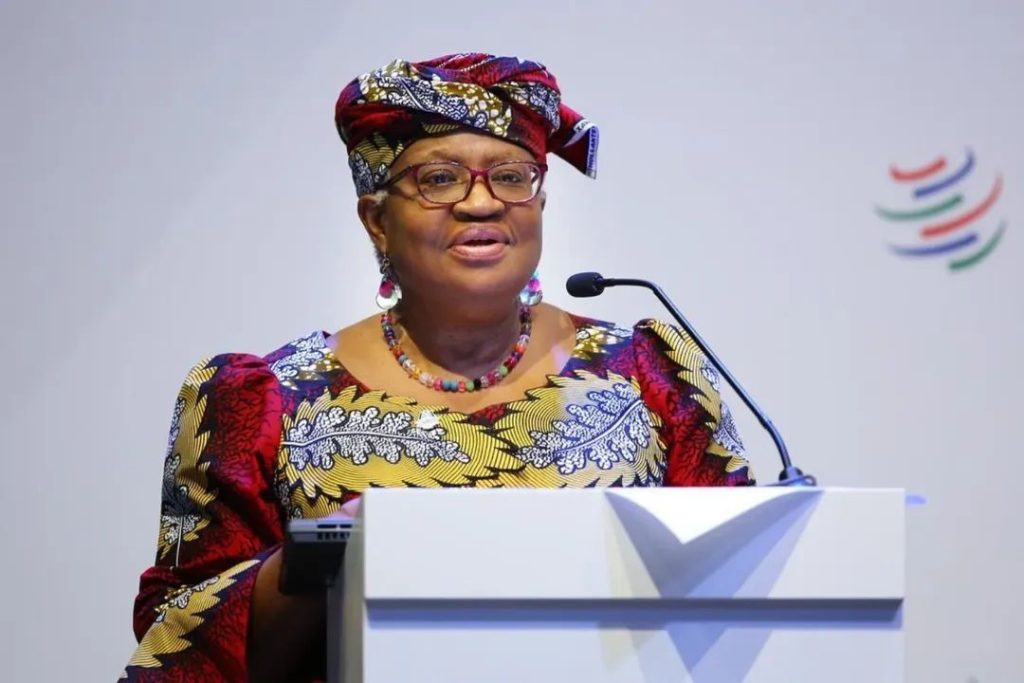
Her 25-year career at the World Bank became another critical chapter. Rising steadily through the ranks, she eventually became Managing Director for Operations, the institution’s second-highest position. During this period, she handled large-scale development portfolios and global economic crises.
Returning to Nigeria to serve as Minister of Finance (2003–2006) marked a pivotal moment. She led historic negotiations with the Paris Club, securing the cancellation of $18 billion and the elimination of $30 billion of Nigeria’s external debt, a landmark achievement in Africa’s economic history.
Her second tenure as Minister of Finance and Coordinating Minister for the Economy (2011–2015) tested her resilience. While implementing bold anti-corruption reforms, she faced death threats, and her mother was kidnapped during efforts to reform fuel subsidy payments. Despite these challenges, she continued to push transparency and accountability reforms.
Another defining milestone came in 2021, when WTO members unanimously appointed her Director-General of the World Trade Organization, cementing her place in global history. Her reappointment in 2024 further affirmed international confidence in her leadership.
Dr Ngozi Okonjo Iweala Professional Achievements
Dr. Okonjo-Iweala’s professional achievements span national governance, global finance, and multilateral diplomacy.
At the World Bank, she oversaw an $81 billion operational portfolio covering Africa, South Asia, Europe, and Central Asia. She spearheaded initiatives to protect low-income countries during the 2008–2009 global food and financial crises and successfully chaired the International Development Association (IDA) replenishment, raising $49.3 billion for the world’s poorest countries.
As Nigeria’s Finance Minister, she transformed public financial management. She introduced the Excess Crude Account, strengthened fiscal discipline, secured Nigeria’s first sovereign credit ratings, and pioneered the public disclosure of federal, state, and local government revenues, improving transparency nationwide.
During her second tenure, she implemented systemic reforms such as the Treasury Single Account (TSA), IPPIS, and GIFMIS, eliminating tens of thousands of ghost workers and saving Nigeria over $1.25 billion. She also led the GDP rebasing exercise, which positioned Nigeria as Africa’s largest economy.
At the global level, she co-founded COVAX, co-chaired the G20 High-Level Independent Panel on Pandemic Preparedness, served as Chair of Gavi, the Vaccine Alliance, and held leadership roles across the IMF, World Bank, United Nations, African Union, and multiple global commissions.
Her appointment as WTO Director-General placed her at the center of global trade reform, where she champions fair trade, pandemic recovery, climate-smart policies, and inclusive globalization.
Dr Ngozi Okonjo Iweala Personal Life
Dr. Okonjo-Iweala is married to Dr. Ikemba Iweala, a Nigerian neurosurgeon from Umuahia, Abia State. Their marriage has remained strong despite demanding global careers.
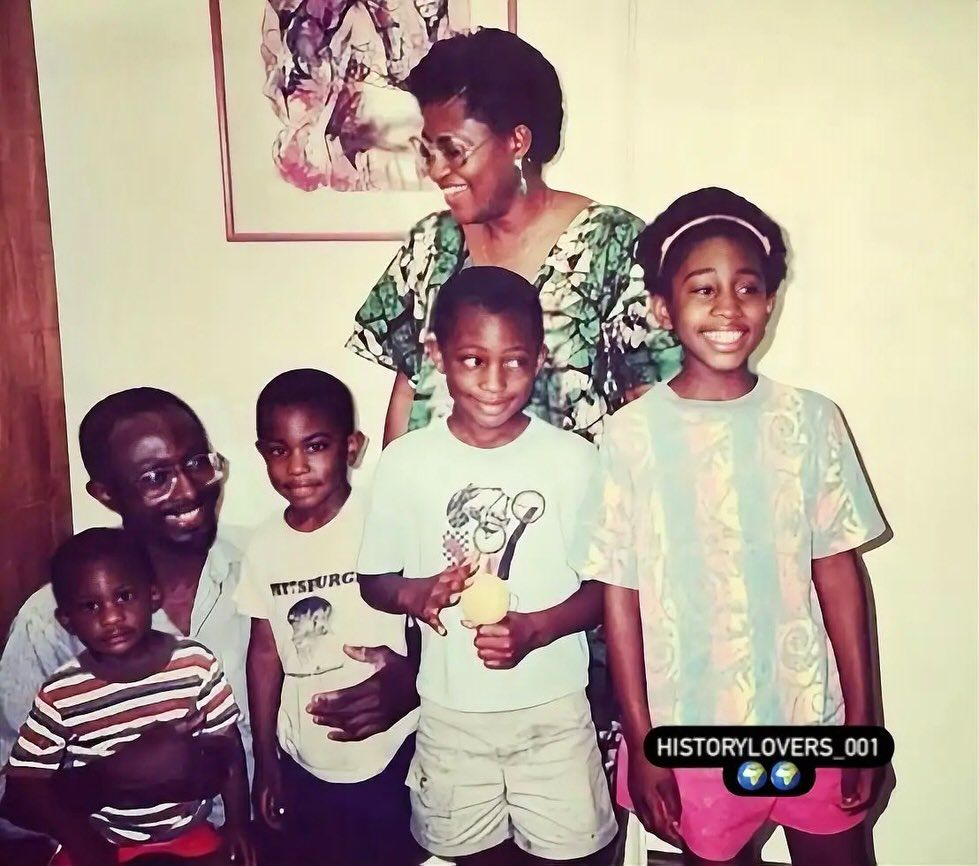
They have four children, including Uzodinma Iweala, a renowned physician and award-winning author. Family remains a central pillar in her life, and she frequently acknowledges the role of her family in supporting her demanding professional journey.
Although she became a U.S. citizen in 2019, she maintains strong ties to Nigeria and consistently represents African interests on the global stage.
Dr Ngozi Okonjo Iweala Legacy and Impact
Dr. Ngozi Okonjo-Iweala’s legacy rests on institution-building, reform leadership, and global representation. She reshaped Nigeria’s economic governance framework, strengthened public accountability systems, and demonstrated that transparency can thrive even in complex political environments.
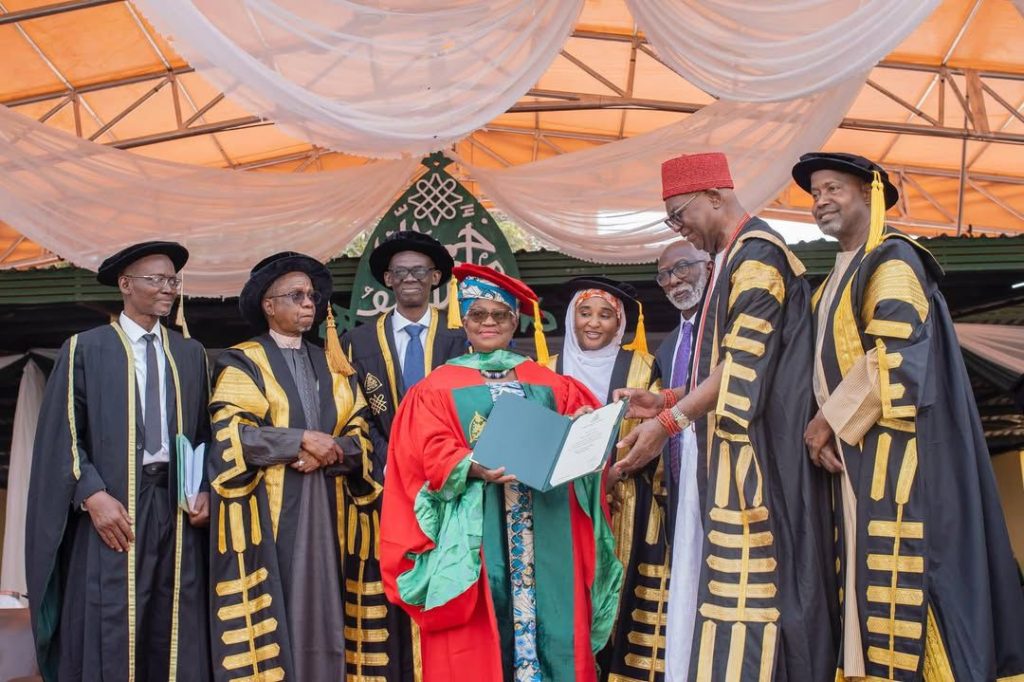
Globally, she redefined African leadership by occupying spaces historically denied to women and Africans. Her leadership at the WTO symbolizes progress toward equity in global governance.
Through institutions like NOI-Polls and the Centre for the Study of the Economies of Africa (C-SEA), she continues to shape research, public opinion, and policy formulation across the continent.
Her numerous awards, including TIME 100, Forbes Most Powerful Women, Fortune World Leaders, GCON, and over 21 honorary doctorates, reflect worldwide recognition of her impact.
Conclusion
Dr. Ngozi Okonjo-Iweala’s life tells a powerful story of intellect, courage, and service. She consistently chooses reform over convenience, integrity over silence, and global cooperation over isolation. From Nigerian villages to the halls of the World Trade Organization, she proves that principled leadership can influence systems, uplift nations, and inspire generations.
Her journey teaches enduring lessons about resilience, ethical leadership, and the transformative power of education and public service lessons that continue to shape global economic thought and African representation on the world stage.




Leave a Reply