


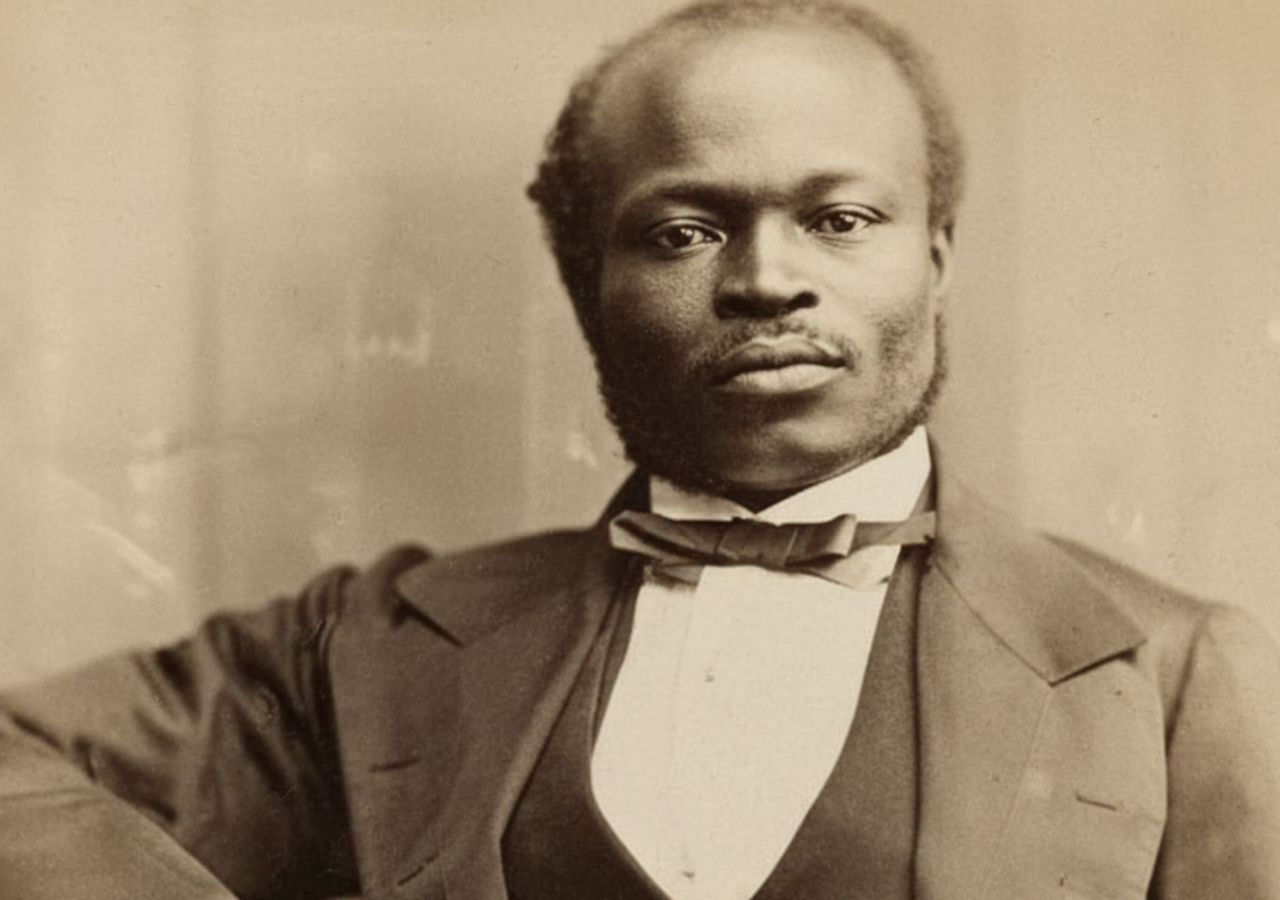
John Randle (1 February 1855 – 27 February 1928) was a Sierra Leonean-born Nigerian medical doctor, businessman, political figure, and philanthropist who played a defining role in shaping colonial Lagos.
He was born in Regent, Sierra Leone, to liberated African parents with roots in present-day Nigeria. His father, Thomas Randle, later relocated to Lagos, where he built a successful business. This early exposure to enterprise and resilience shaped Randle’s worldview.
J. Randle grew into one of the most educated and influential Africans of his time. He combined medicine, politics, and business to build both wealth and social impact, positioning himself as a central figure in Lagos’ early elite society.
J Randle Education and Early Career
J. Randle pursued his early education in Sierra Leone before advancing his training in medicine.
He worked initially as a medical dispenser at the Colonial Hospital, then moved to the Gold Coast (present-day Ghana), where he saved money to fund his studies abroad. He later studied medicine at the University of Edinburgh between 1884 and 1888, graduating with distinction and earning a gold medal in materia medica.
He returned to Lagos in 1889 and joined the Colonial Medical Service as an Assistant Colonial Surgeon. While working there, he also built a private medical practice.
However, he confronted racial discrimination within the colonial system. The government paid him significantly less than his European counterparts and assigned him unfavorable postings. He challenged this inequality but eventually left the colonial service in 1893.
He redirected his energy into private practice, where he built a highly successful career. He treated both Africans and Europeans and gained recognition for effectively managing diseases such as yellow fever and guinea worm. He also provided free medical care to the poor, establishing his reputation as both a skilled doctor and a compassionate humanitarian.
J Randle Major Life Events
J. Randle actively shaped the political and social direction of Lagos.
He became deeply involved in public affairs and used his influence to advocate for African representation and fairness in colonial governance.
In 1908, he co-founded the People’s Union alongside Dr. Orisadipe Obasa. The organization brought together Lagos residents across ethnic and religious lines to challenge unjust colonial policies. The Union opposed measures such as the Water Rate Act and land policies that threatened indigenous ownership. The People’s Union was revived under Randle’s leadership, and Obasa competed in the election but was not successful. The People’s Union and its female equivalent, the Women’s Union led by Mrs. O. Obasa,
He also played a role in broader intellectual and political movements, supporting figures like Edward Wilmot Blyden and contributing to early Pan-African discussions.
During World War I, he supported the British Empire while also advocating for the recognition and welfare of Nigerian soldiers. He served as superintendent of the Nigerian Overseas Comfort Fund, ensuring that African troops received support.
After the war, he remained active in civic engagement, helping to establish reform platforms and continuing to influence policy debates in Lagos.
J Randle Professional Achievement
J. Randle built a multidimensional career that combined medicine, business, politics, and philanthropy.
As a physician, he stood among the first West Africans to receive formal medical training in Europe and successfully practice in colonial Nigeria.
As a businessman, he accumulated significant wealth through real estate investments and shareholdings, including stakes in the Bank of British West Africa. He acquired extensive landholdings across Lagos, particularly in the Onikan and Marina areas.

His land ownership later became central to some of Lagos’ most important public and cultural landmarks. Areas historically associated with his estate now connect to developments such as:
J. Randle Centre for Yoruba Culture and History, a modern cultural institution that preserves Yoruba heritage and serves as a hub for education, exhibitions, and cultural expression.
King George V Park (now redeveloped), where he originally established public recreational facilities, including a swimming pool and tennis courts in 1928.
Onikan Stadium and surrounding urban developments within the broader regeneration of the Marina–Onikan axis.
While not all these modern structures sit directly on land he personally donated, his extensive holdings and influence significantly shaped the spatial development of that part of Lagos.
His philanthropic work further defined his legacy. He funded educational and scientific development across West Africa. He built schools and a chapel in his hometown of Regent, Sierra Leone, and contributed to the development of Fourah Bay College by donating books, journals, and funds for science education and scholarships.
He also earned recognition for his generosity through his will, which supported education and intellectual advancement.
J Randle Personal Life
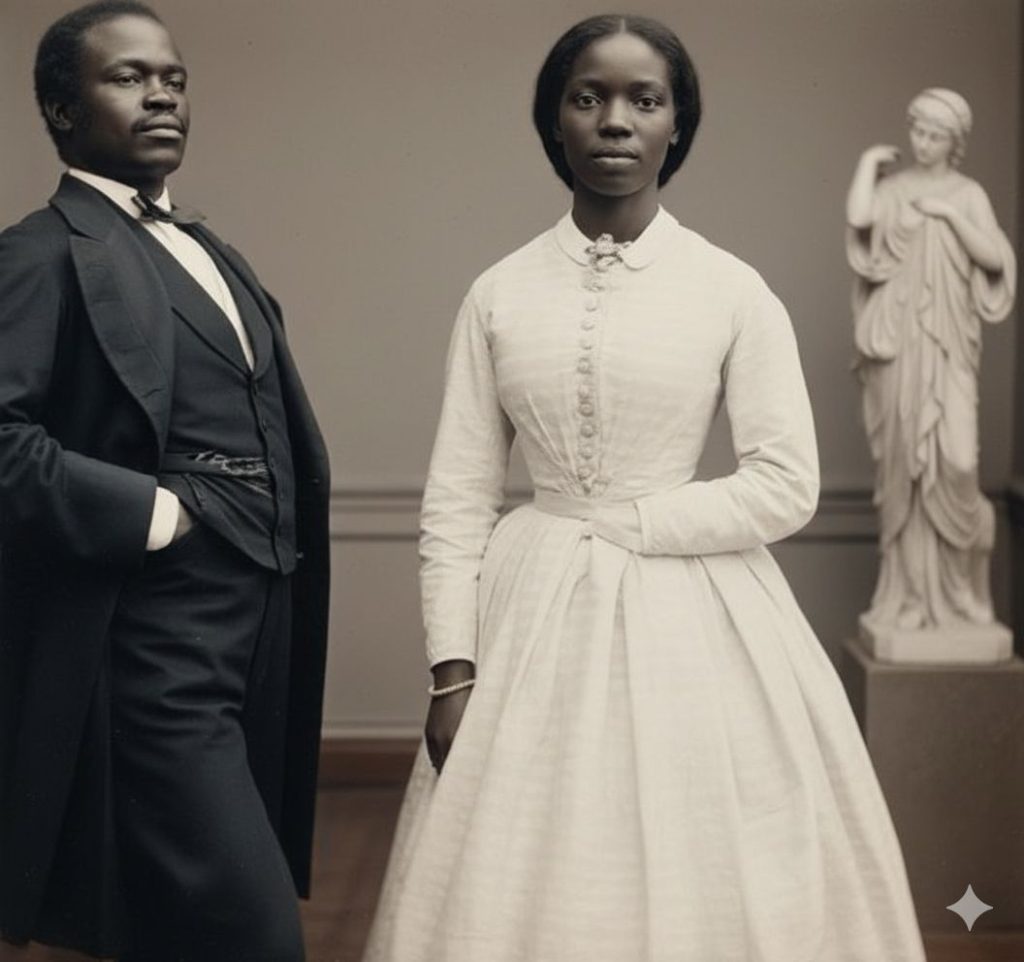
J. Randle married Victoria Matilda Davies in 1890. She was the daughter of the prominent James Pinson Labulo Davies and Sarah Forbes Bonetta, a Yoruba princess who Queen Victoria sponsored and educated in England.
Through this marriage, he became connected to one of the most influential elite families of the time. He had 4 children including the prominent and notable JK Randle
He lived a disciplined and principled life. Even in old age, he maintained strict personal habits and remained physically active, often riding a bicycle.
He valued education deeply and encouraged intellectual growth, although some accounts suggest he maintained very high expectations within his family.
J Randle Legacy and Impact
J. Randle left a lasting imprint on Lagos and West Africa.
He helped establish Western medical practice among Africans while also demonstrating that Africans could excel in highly specialized professions.
He used his wealth and influence to advocate for fairness, representation, and progress within a colonial system that often-marginalized Africans.
His philanthropic contributions strengthened education and scientific development across the region.
His landholdings and urban influence helped shape key parts of Lagos that remain culturally and historically significant today.
Institutions and developments connected to his legacy continue to serve as centers for culture, history, and public engagement.
Conclusion
J. Randle built a life defined by discipline, intelligence, and purpose.
He challenged systems that limited him, created opportunities through education and enterprise, and invested in the growth of others.
He translated success into impact by combining professional excellence with public service and philanthropy.
His legacy continues to reflect the power of vision, resilience, and strategic influence in shaping society.





Leave a Reply