



Genevieve Nnaji was born on May 3, 1979, in Mbaise, Imo State, southeastern Nigeria. She grew up in Lagos State in a middle-class family as the fourth of eight children. Her father worked as an engineer while her mother worked as a nursery school teacher. Raised in a disciplined and education-focused household, she developed confidence, creativity, and a strong sense of independence from an early age.
She spent most of her childhood in Lagos, where she completed her early education and began showing interest in performance and entertainment. She started appearing in television commercials and child acting roles before eventually transitioning into full-time acting.
Genevieve Nnaji also became a mother at a young age and balanced early motherhood with career growth, maintaining a private personal life while rising into stardom.
Genevieve Nnaji Education and Early Career
She attended Methodist Girls College in Yaba, Lagos, before proceeding to the University of Lagos, where she earned a Bachelor’s degree in Creative Arts. While at university, she actively auditioned for acting roles and modeling jobs, steadily building her presence in Nollywood.
Her acting career began at the age of eight in the popular TV soap opera Ripples. After a break to focus on education, she returned professionally in 1998 at the age of 19 with Most Wanted, marking her formal Nollywood debut.
She quickly rose to prominence through films such as Last Party, Mark of the Beast, and Ijele, becoming one of the defining faces of Nollywood’s early commercial era.
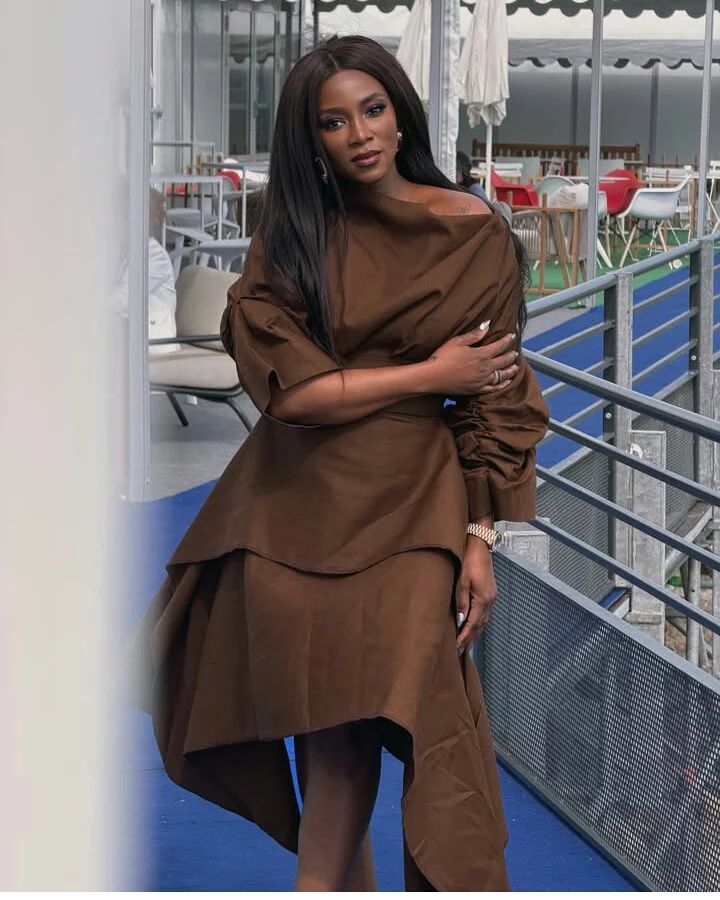
In 2004, she became part of the widely discussed “G8” group of top actors—alongside Omotola Jalade Ekeinde, Richard Mofe-Damijo, Emeka Ike, Ramsey Nouah, Nkem Owoh, Stella Damasus, and Jim Iyke—who were reportedly banned by film producers for demanding higher acting fees. The incident highlighted the rising value and influence of Nollywood actors at the time and marked a turning point in how actors were compensated in the industry.
That same year, she expanded her creative portfolio by signing a recording deal with EKB Records, a Ghanaian label, and released her debut album One Logologo Line, a blend of R&B, hip-hop, and urban music. She also became the Face of Lux in Nigeria, strengthening her brand presence across fashion and advertising.
Around this period, she also appeared in entertainment collaborations outside film, including featuring in high-profile Nigerian music videos such as D’banj’s “ Fall in Love” an early visual projects, reflecting her crossover appeal in the entertainment industry.
Genevieve Nnaji Major Life Events
One of her biggest breakthroughs came in 2005 when she became the first actress to win the Africa Movie Academy Award (AMAA) for Best Actress in a Leading Role, cementing her legacy in Nollywood history.
In 2009, Oprah Winfrey famously described her as the “Julia Roberts of Africa,” elevating her international visibility and positioning her as a global African film icon.
She starred in major productions including Ijé: The Journey (2010), which further strengthened her international acting reputation.
A defining moment in her career came in 2018 when she produced and directed Lionheart. The film became Nigeria’s first Netflix original and the country’s first official submission for the Academy Awards Best International Feature Film category, sparking global debate after its disqualification due to language requirements.
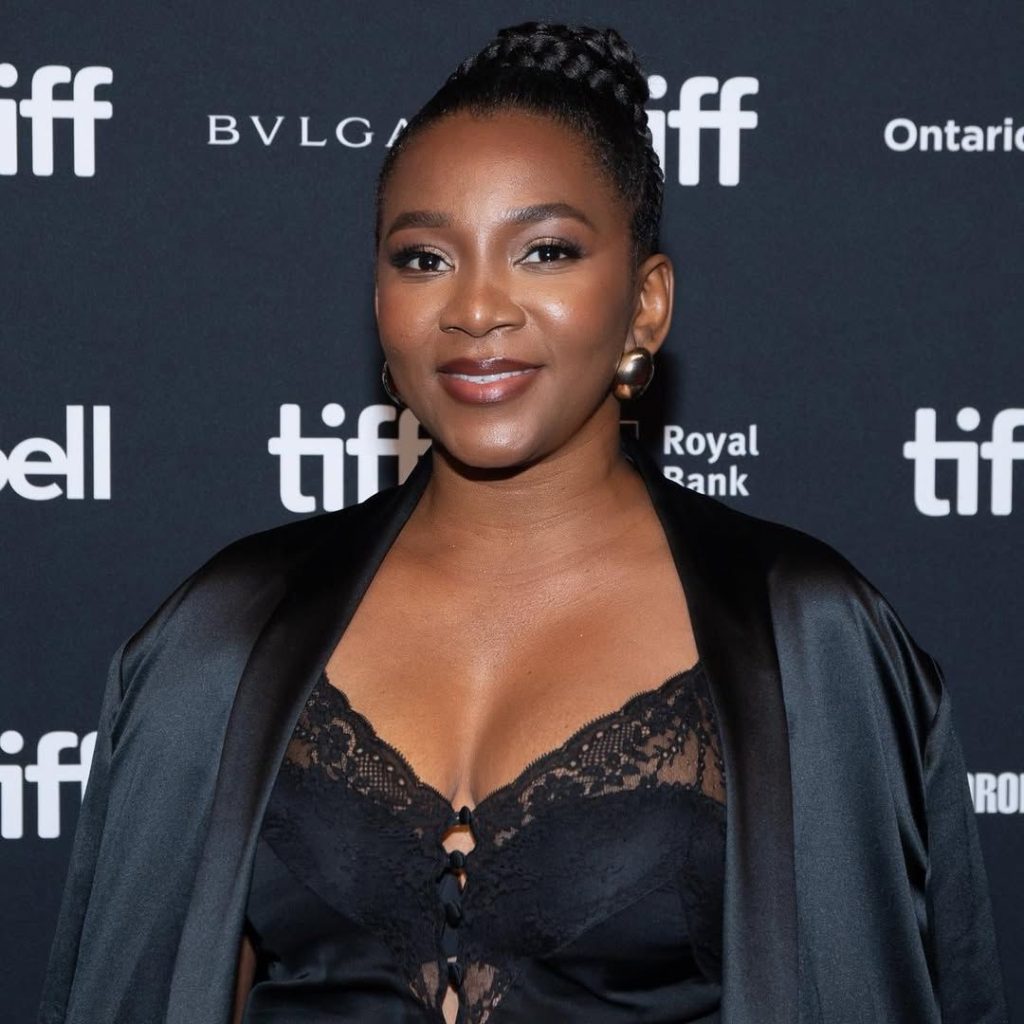
She later appeared at the Toronto International Film Festival, further cementing her status as a global filmmaker.
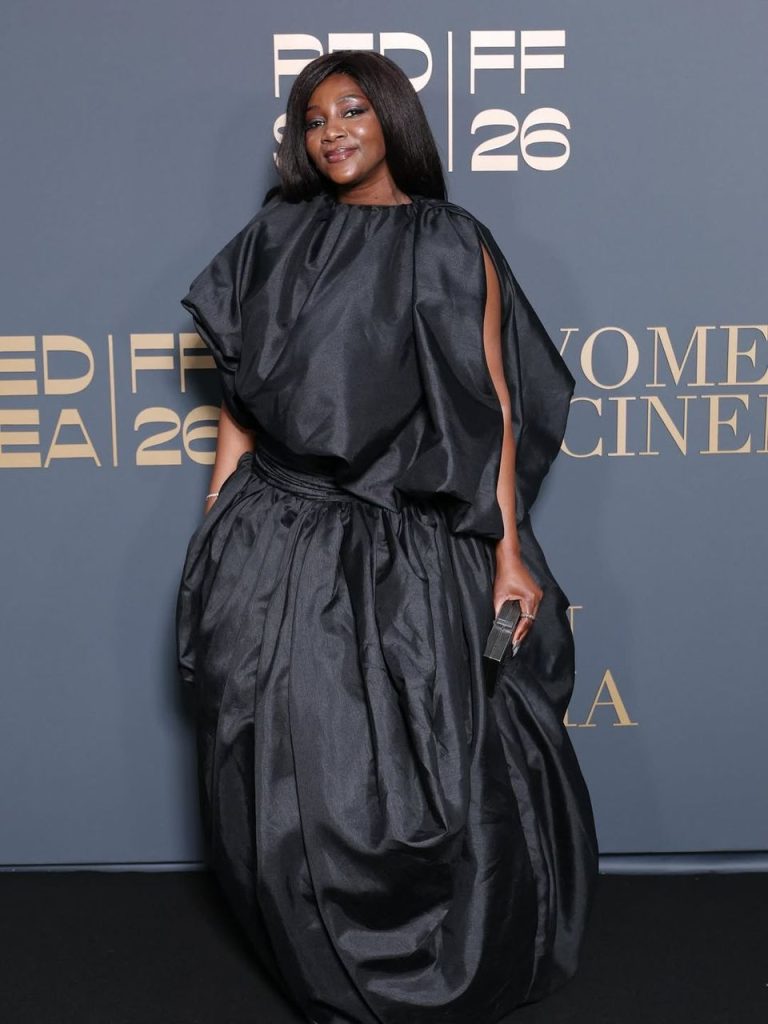
After maintaining a quieter public presence for years, she made a major return to screen work in 2026 when she joined the cast of the BBC adaptation of Wahala. In the same year, she was honored at the Red Sea Film Foundation’s Women in Cinema Gala at Cannes for her contribution to African cinema.
Genevieve Nnaji Professional Achievements
Genevieve Nnaji built one of the most influential careers in African entertainment history, appearing in over 200 Nollywood productions.
Her filmography includes Most Wanted, Ijele, Half of a Yellow Sun, Games Women Play, The Mirror Boy, Road to Yesterday, The Bling Lagosians, and Lionheart.
She won the AMAA Best Actress award in 2005 and has received multiple honors from AMVCA, City People Awards, and other continental platforms.
In 2011, the Nigerian government awarded her the Member of the Order of the Federal Republic (MFR) for her contributions to Nollywood.
Beyond acting, she transitioned into producing and directing. Road to Yesterday won Best West African Film at the AMVCA, while Lionheart became a landmark Netflix acquisition that reshaped global perception of Nollywood.
She also built a strong commercial career through endorsements with Lux, Etisalat Nigeria, and other global brands, and launched her fashion line St. Genevieve, which supported charitable causes.
Genevieve Nnaji Personal Life
Genevieve Nnaji maintains a highly private personal life and rarely discusses her family publicly.
She became a mother at a young age and has balanced motherhood with her career, choosing to keep her daughter’s life away from public attention.
She is also an advocate for women’s rights, particularly around child marriage, women’s autonomy, and gender equality. She identifies as a feminist focused on choice, independence, and self-determination.
Genevieve Nnaji Legacy and Impact
Genevieve Nnaji remains one of the most influential figures in Nollywood history. She helped redefine Nigerian cinema and pushed it into global recognition through her acting, directing, and production work.
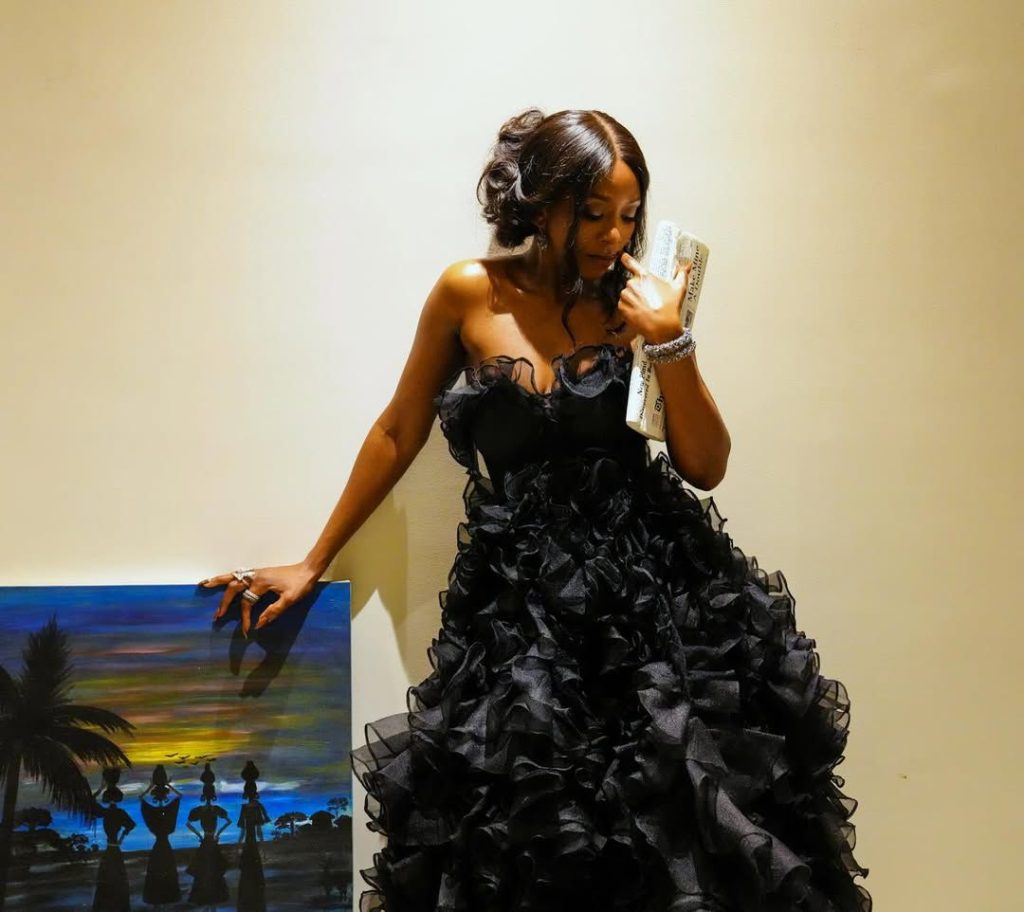
Her transition from actress to filmmaker inspired a new generation of African creatives, especially women, to pursue leadership roles in the film industry.
Lionheart remains one of Nollywood’s most important cultural exports due to its Netflix milestone and Oscars controversy.
Conclusion
Genevieve Nnaji’s journey reflects talent, resilience, and cultural impact. From child actress to international filmmaker, she has consistently shaped Nollywood’s evolution and global reputation. Her influence extends beyond film into fashion, advocacy, and African storytelling identity, securing her place as one of the most important figures in modern African entertainment.




Leave a Reply