


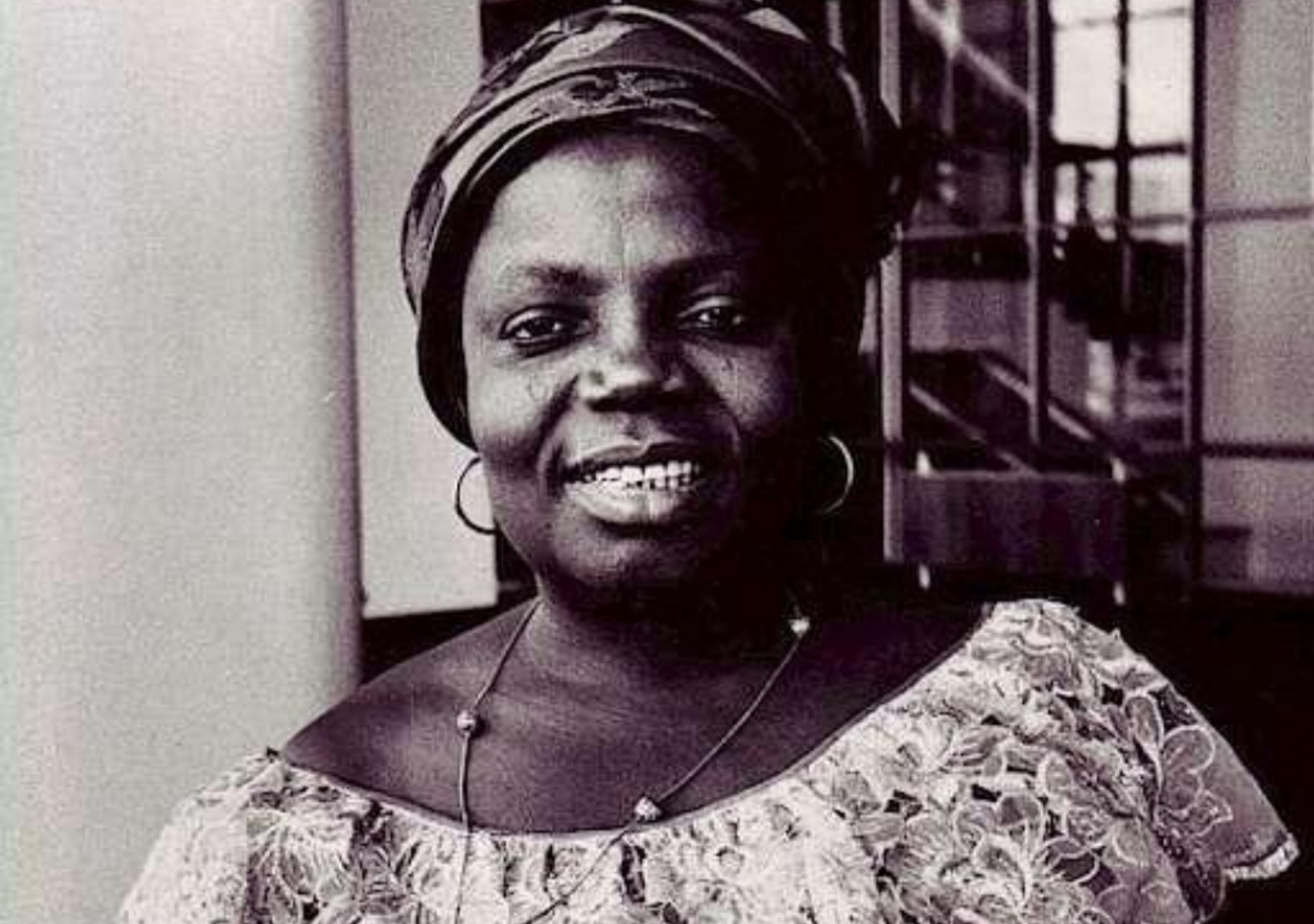
You must have seen or read books like Second-Class Citizen, The Joys of Motherhood or In the Ditch. The person at the centre of writing all these books is Buchi Emecheta. A woman whose own life was just as remarkable as the stories she put on paper.
Emecheta was more than a novelist. She was a woman who turned the realities around her into stories that gave voice to women, explored the complexities of family and motherhood, and challenged the expectations placed on women of her time. Her journey took her through experiences that would eventually shape some of the most recognised works in African literature.
To understand the woman behind these books, we have to go back to the beginning and follow the journey that shaped Buchi Emecheta.
Where Buchi Emecheta’s Story Began
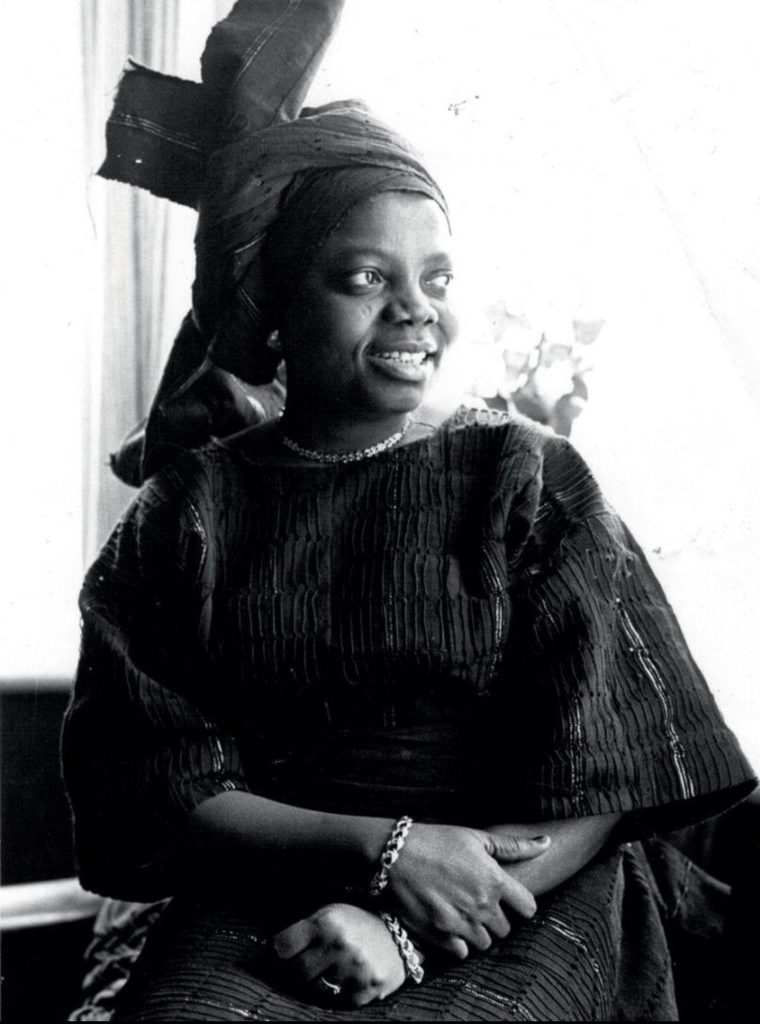
Buchi Emecheta was born Florence Onyebuchi Emecheta on July 21, 1944, in Lagos, Nigeria, to parents from Ibusa in present-day Delta State. Her father, Jeremy Nwabudinke Emecheta, worked for the Nigerian Railways, while her mother, Alice Emecheta, cared for the family. She lost her father while she was still young, an experience that shaped the circumstances of her early childhood.
Growing up in Lagos, Emecheta developed a strong desire for education at a time when girls did not always have the same opportunities as boys. She attended Methodist Girls’ High School in Lagos, where she developed an early love for reading and writing. Her determination to learn remained strong even as she encountered challenges that could have interrupted her education.
After moving to Britain, Emecheta continued her education while working and raising her children. She studied sociology at the University of London and graduated in 1974. While pursuing her studies, she also began writing about her experiences as a Nigerian woman living in Britain. She contributed articles to the New Statesman, and her early writings eventually became the foundation for her first novel, In the Ditch, published in 1972.
Her education and experiences in Britain gradually opened the door to a career she had dreamed of from an early age. What began with a young girl determined to stay in school would eventually become the story of one of Nigeria’s most recognised literary voices.
Buchi Emecheta’s Difficult Experiences of Marriage and Motherhood
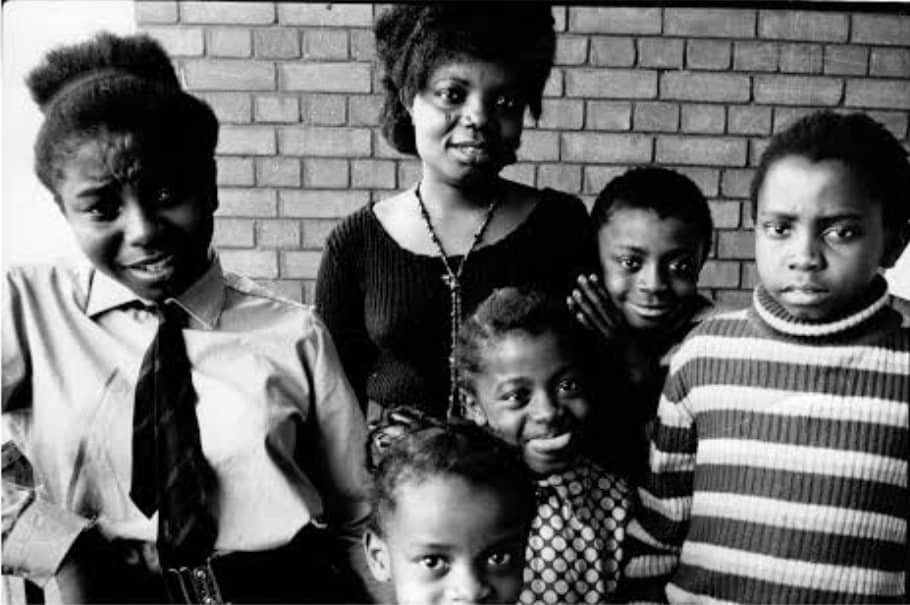
At just 11 years old, Buchi Emecheta became engaged to Sylvester Onwordi, whom she would marry five years later in 1960. She was only 16 when they got married. Their first child, a daughter, was born that same year, followed by a son in 1961. When Onwordi travelled to London to continue his studies, Emecheta eventually joined him in 1962 with their two young children. Over the next few years, the family grew to five children—three daughters and two sons.
Life in London, however, was far from the new beginning Emecheta may have hoped for. Her marriage became increasingly unhappy and was marked by physical and emotional abuse. While caring for her young children, she was also trying to hold on to her dream of becoming a writer. Her husband was suspicious of her writing and did not support her ambition. According to accounts of her life, he eventually destroyed the handwritten manuscript of her first novel, The Bride Price, by burning it. The loss was devastating, but Emecheta did not abandon the story. She later rewrote the entire manuscript, and the novel was eventually published.
The destruction of her manuscript became one of the final breaking points in the marriage. At 22, while pregnant with her fifth child, Emecheta separated from her husband and became responsible for raising all five children on her own. She was still a young woman, but she now had to provide for a family while navigating life as a single mother in Britain.
Motherhood became both a responsibility and a defining part of Emecheta’s life. She worked to support her children, including as a library officer at the British Museum, while studying sociology at the University of London. She also wrote whenever she could, often fitting her writing around the demands of raising five children. Her son Sylvester later recalled that she wrote longhand in exercise books before typing her manuscripts, while the family was growing up in London.
Raising five children alone was not easy. The family experienced financial difficulties, racism and the pressures that came with being a Black immigrant family in Britain. Her son later recalled that, as children, they were also exposed to the effects of domestic abuse and the intervention of social workers and educators. Yet Emecheta continued to work, study and write. Her experiences as a young mother living on her own in London eventually became the foundation for In the Ditch and Second-Class Citizen, two of her most autobiographical works.
Through all of this, Emecheta remained deeply committed to her children. Motherhood became one of the central subjects of her writing, but her books did not present it as a simple or idealised experience. Instead, she explored the sacrifices, expectations, struggles and strength that could come with being a mother, drawing from both her own life and the experiences of women around her.
Buchi Emecheta’s Professional Achievements
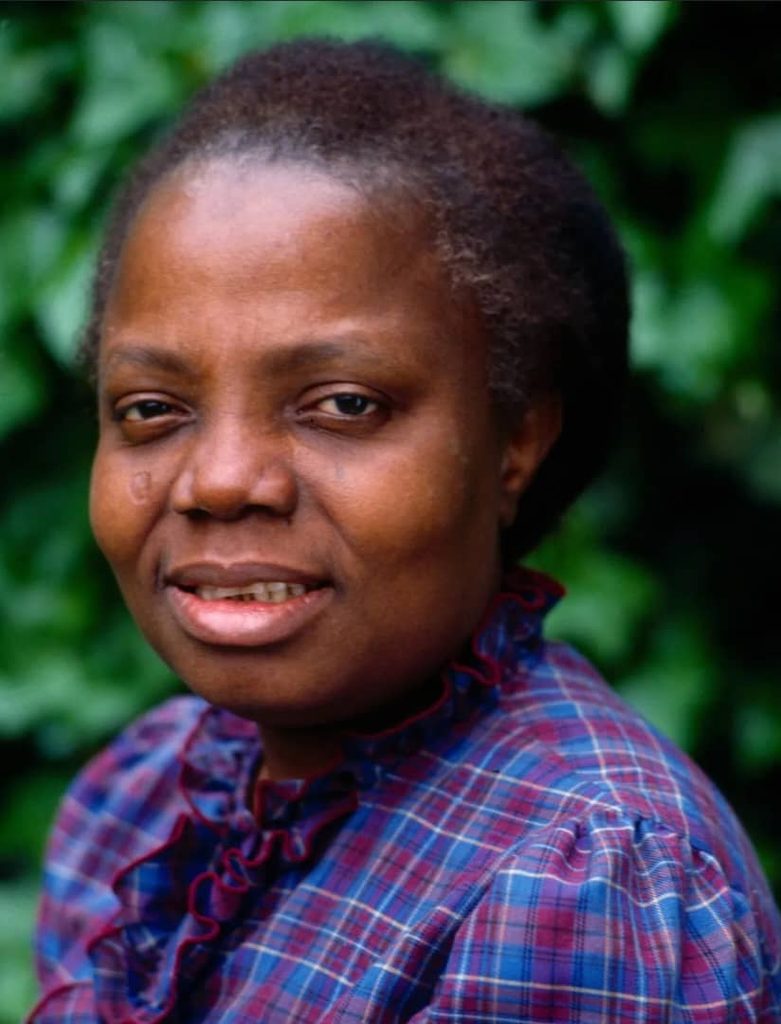
Buchi Emecheta’s literary career began to gain momentum with the publication of In the Ditch in 1972, a novel drawn from her experiences as a Nigerian woman living in Britain. She followed it with Second-Class Citizen in 1974, a work that further established her as a writer willing to confront issues of racism, sexism, marriage, motherhood and the search for independence.
Her reputation continued to grow with novels such as The Bride Price, The Slave Girl and The Joys of Motherhood. Published in 1979, The Joys of Motherhood became one of her most recognised works, examining motherhood, marriage, tradition and the changing realities of Nigerian society. Her writing eventually expanded beyond contemporary women’s experiences to include subjects such as the Nigerian Civil War in Destination Biafra and identity and belonging in later works.
Emecheta’s contribution to literature earned her significant recognition. In 1978, she won the Jock Campbell Award for The Slave Girl, and in 1983, she was named one of Granta’s Best Young British Novelists. She also became a lecturer and visiting professor at several institutions, including the University of Calabar, while continuing to write and publish.
Beyond her novels, Emecheta also wrote plays, children’s literature and autobiography, including Head Above Water, which chronicled her journey from childhood to becoming a writer. In 2005, she was appointed an Officer of the Order of the British Empire (OBE) for her services to literature, further recognising the impact of a career that had crossed Nigerian, British and African literary spaces.
Buchi Emecheta’s Legacy and Impact
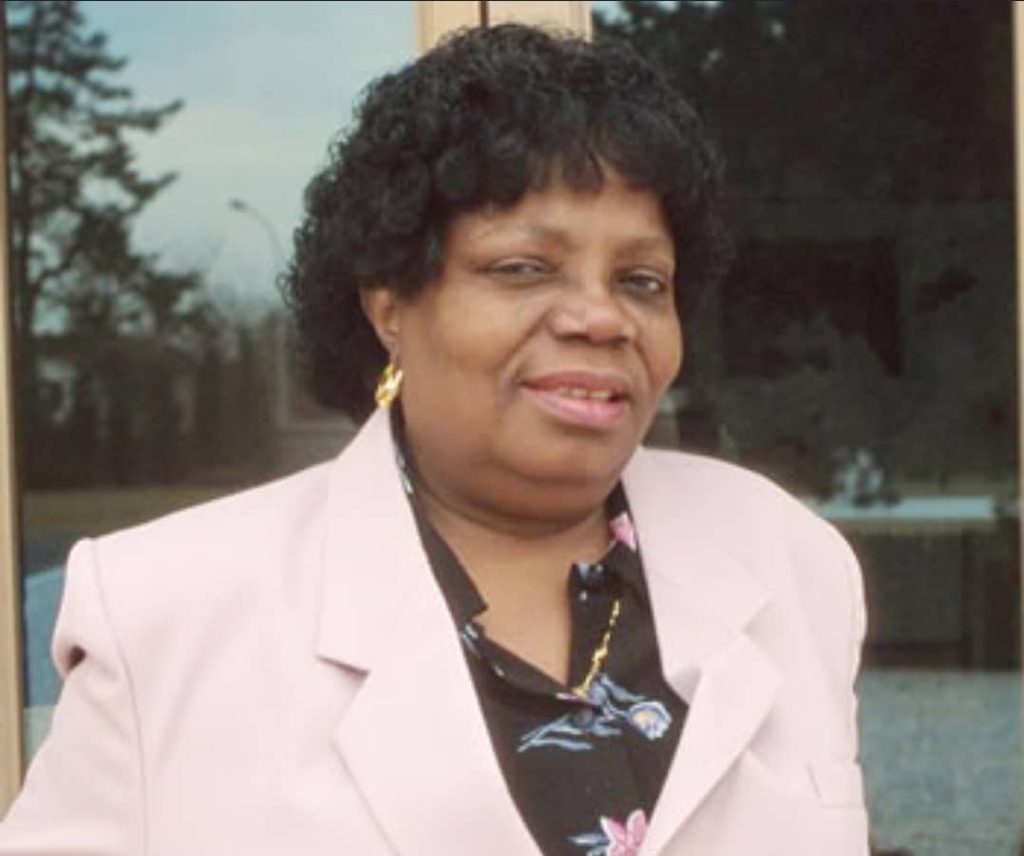
Buchi Emecheta left a lasting mark on African literature by placing the experiences of African women at the centre of her stories. Through works such as Second-Class Citizen, The Bride Price and The Joys of Motherhood, she explored marriage, motherhood, education, poverty, tradition and the struggle for independence. Her female characters were often faced with difficult circumstances, but they were presented as individuals capable of making choices and shaping their own lives.
Her writing also connected two worlds. Having lived most of her adult life in Britain, Emecheta wrote about the experiences of Nigerian immigrants, racism and the challenges of navigating life between Nigerian and British cultures. This gave her work significance beyond Nigerian literature and established her as an important voice in both African and Black British writing.
Her influence continued long after her books were published. The Joys of Motherhood was named among Africa’s 100 Best Books of the 20th Century, while her work has continued to be studied for its portrayal of women’s lives and its challenge to traditional ideas about gender and family. Her writing also helped create a path for later generations of African women writers.
Emecheta died in London on the 21st of January in 2017 but her work continues to introduce new generations of readers to the complexities of African womanhood, identity and independence. Her legacy remains that of a writer who turned personal experience into stories that gave greater visibility to women whose lives had often been overlooked in literature.






Leave a Reply