


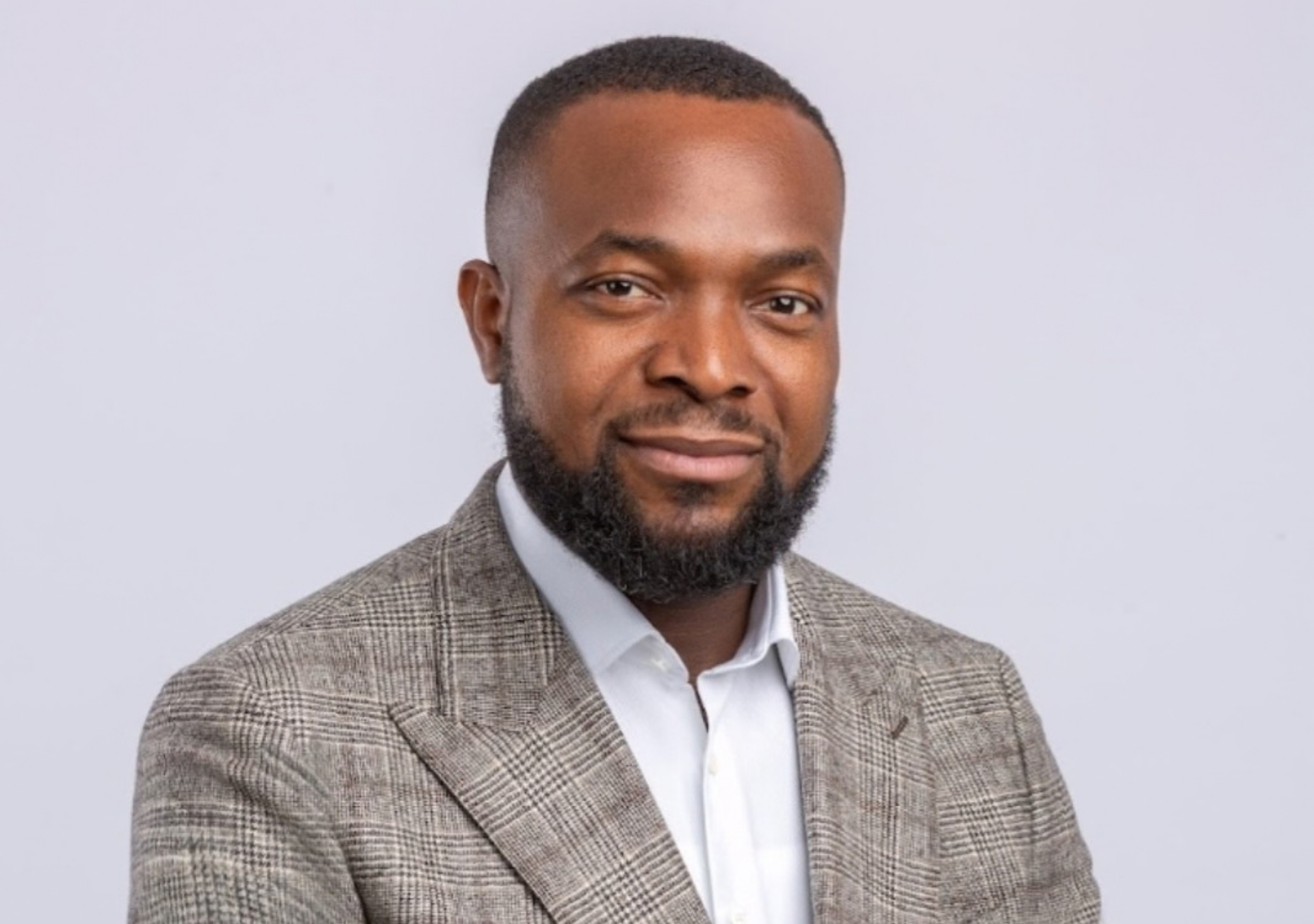
He spent years building Nigeria’s technology ecosystem from outside government. Then, in 2023, he found himself working from inside it.
Bosun Tijani’s journey is one of those stories that takes several turns. From growing up in Lagos and finding his way into technology, to becoming a major figure in Nigeria’s startup ecosystem, his career has taken him through spaces that shaped the way he sees Nigeria and its future.
But becoming a minister brought a different chapter, one that came with new responsibilities, public attention and questions about what happens when someone who has spent years talking about change is given the opportunity to help drive it.
And behind the title, the policies and the public profile is a story that began long before Bosun Tijani became a minister.
The Early Years That Shaped Bosun Tijani’s Journey
Born Olatunbosun Alake Tijani on July 20, 1977, Bosun Tijani grew up in Agege, Lagos, in a family of bakers. His father owned a bakery attached to their home, and as a child, Tijani and his siblings were involved in helping with the family business. Growing up around the bakery gave him an early experience of work, business and the everyday realities of running an enterprise.
His childhood also shaped the way he thought about opportunities in Nigeria. Tijani has spoken about wondering why young Nigerians often had to leave the country to find opportunities. That question would later become relevant to his own career, as he travelled abroad for further education and work before eventually returning to Nigeria.
Tijani began his higher education at the University of Jos, where he obtained a Diploma in Computer Science before studying Economics. He graduated with a degree in Economics in 2002.
He later moved to the United Kingdom, where he earned a master’s degree in Information Systems and Management from Warwick Business School. He eventually completed a PhD in Innovation and Economic Development at the University of Leicester in 2023.
But his career was already developing long before he completed his doctorate. He gained experience across technology, business and international development, working with entrepreneurs and organisations in different parts of Africa
How CcHUB Put Bosun Tijani at the Heart of Nigeria’s Tech Ecosystem
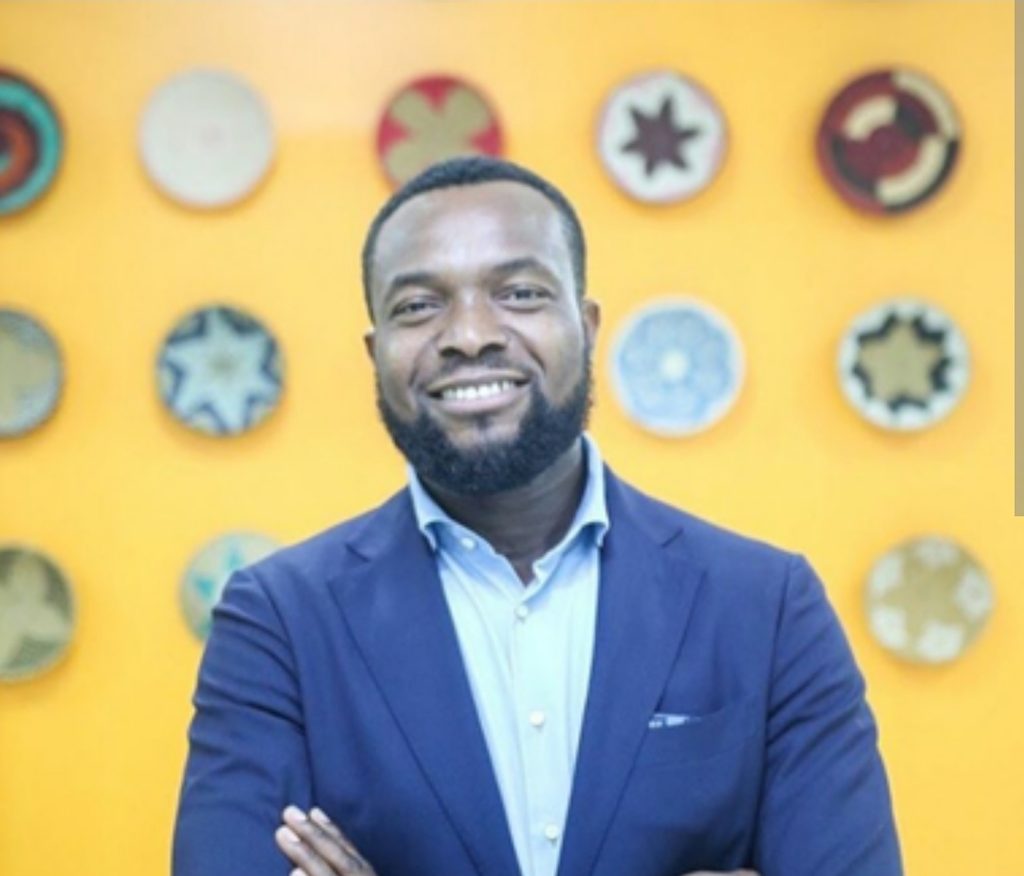
At just 32 years old, Bosun Tijani took a step that would become one of the defining moments of his career. In 2010, he co-founded Co-Creation Hub (CcHUB) with Femi Longe in Yaba, Lagos.
At the time, Nigeria’s technology ecosystem was still growing, and CcHUB was created as a space where entrepreneurs, developers, creatives and innovators could come together, develop ideas and build solutions to real problems.
For Tijani, CcHUB became more than just a workspace. It grew into a platform that supported entrepreneurs through mentorship, training, funding opportunities, networking and access to other people within the technology ecosystem.
Over the years, CcHUB became associated with a number of Nigerian startups and technology initiatives, including Wecyclers, BudgIT and LifeBank. The organisation also expanded beyond Nigeria, building a presence in other African countries.
Tijani’s work at CcHUB gradually placed him at the centre of conversations about technology, entrepreneurship and innovation in Africa. His work also brought him into contact with some of the biggest names in global technology. In 2016, Facebook founder Mark Zuckerberg visited CcHUB during his first trip to Nigeria, bringing international attention to the growing Nigerian tech ecosystem.
What started as a hub in Yaba eventually became part of a much bigger story, one in which Tijani helped create opportunities for African innovators and became a prominent voice in the continent’s technology ecosystem.
From the Tech Space to the Federal Government

For years, Bosun Tijani had built his career in Nigeria’s technology and innovation space, working with entrepreneurs, businesses and organisations focused on economic development. He had also become known for openly expressing his views about issues affecting the country.
Then, in 2023, his career took an unexpected turn.
At 46 years old, Tijani was nominated by President Bola Ahmed Tinubu to serve as Nigeria’s Minister of Communications, Innovation and Digital Economy. He was sworn in on August 21, 2023, becoming one of the younger members of the Federal Executive Council at the time.
The appointment meant that someone who had spent years building Nigeria’s technology ecosystem from outside government was now being brought into government to help shape the country’s digital future.
His nomination also attracted attention because some of his old social media posts about the government resurfaced. During his Senate screening, Tijani addressed the issue and apologized for some of his previous comments.
Despite the attention surrounding his nomination, Tijani was eventually confirmed as minister and began a new chapter of his career.
The appointment marked a major shift. He was moving from creating platforms and supporting innovators in the private sector to working directly on government policies and programmes in technology, telecommunications, digital infrastructure and innovation.
It also meant that the ideas he had spent years discussing within Nigeria’s tech ecosystem would now be tested in a very different environment which is the government.
Bosun Tijani and His Vision for a Digital Nigeria
Since becoming minister, Bosun Tijani has focused much of his work on areas he had spent years working around before entering government which is technology, digital skills, innovation and infrastructure.
One of the major programmes associated with his time in office is the 3 Million Technical Talent (3MTT) programme, launched to equip Nigerians with technical skills needed for the digital economy. The programme covers areas including software development, data science, cybersecurity and artificial intelligence. In 2026, its first National Impact Challenge received more than 2,500 submissions from fellows across all 36 states and the FCT.
Beyond developing digital talent, Tijani’s ministry has also been working on the infrastructure needed to support a more connected Nigeria. Project BRIDGE is designed to deploy 90,000 kilometres of fibre-optic infrastructure across the country, connecting all 36 states and the FCT and more than 770 local governments. In 2026, the project secured additional financing from international development partners, bringing government-secured funding to $800 million.
Another major part of this digital transformation agenda is artificial intelligence. Nigeria launched its National AI Strategy in 2025, while Tijani has continued to push discussions around responsible AI development and governance. In 2026, he also led discussions around establishing a National AI Trust to guide Nigeria’s approach to AI adoption and responsible innovation.
Then there is NIPOST- an institution that many Nigerians have traditionally associated with letters and parcels.
In October 2026, the Federal Government launched Nigeria’s National Digital Alphanumeric Postcode System through NIPOST. The system gives addressable locations across the country unique 11-character digital postcodes and is designed to support areas such as e-commerce, deliveries, emergency response and public service delivery.
The postcode project reflects a broader idea behind Tijani’s work in government: digital transformation is not only about creating apps or teaching people to code. It also requires building the infrastructure and systems that allow people, businesses and government services to connect more effectively.
From developing digital talent through 3MTT to expanding fibre infrastructure, advancing AI policy and modernising the way locations are identified through NIPOST, Tijani’s time in government has been centred largely on building the foundations of Nigeria’s digital economy.
Bosun Tijani’s Legacy and Impact
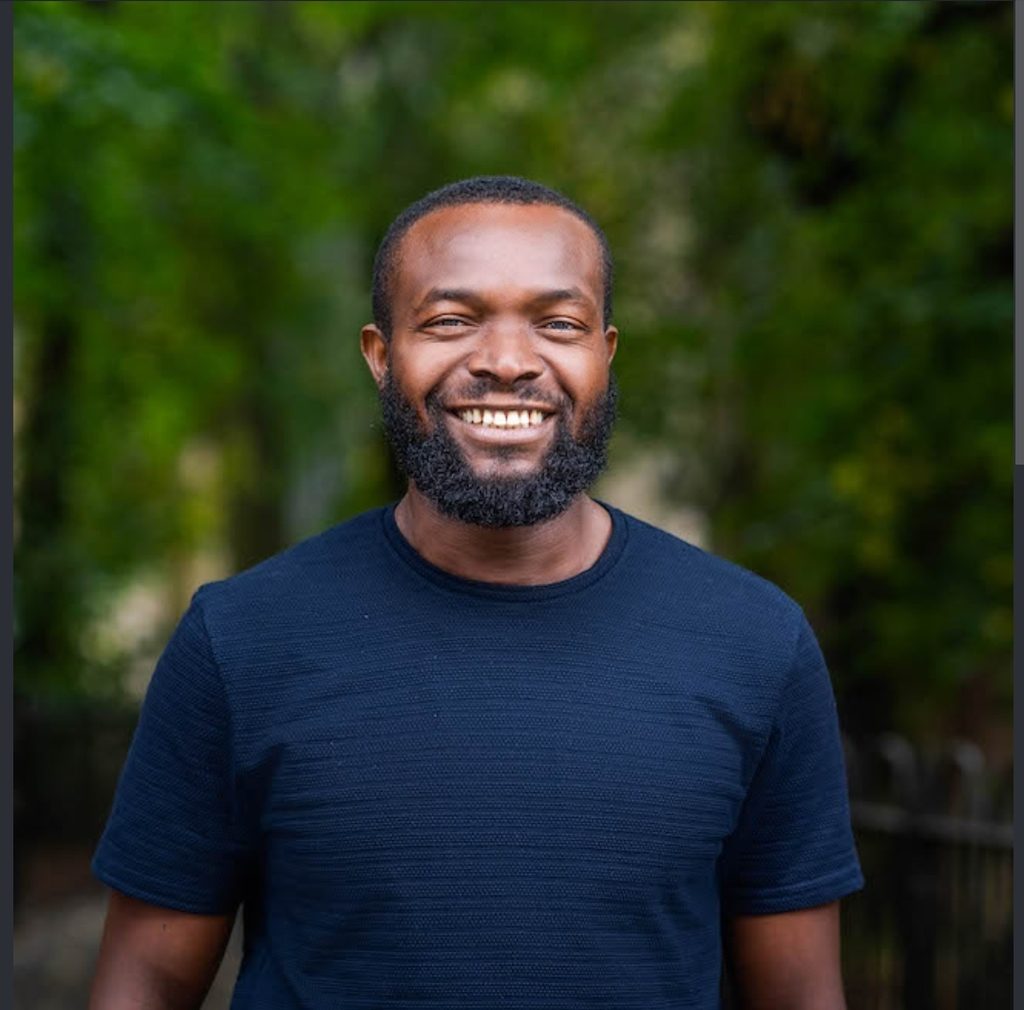
Bosun Tijani’s career has taken him from the technology ecosystem in Yaba to the centre of Nigeria’s digital transformation efforts. At CcHUB, he helped create a platform that supported entrepreneurs and startups across Africa. In government, his focus has shifted towards building the policies, infrastructure and talent needed to grow Nigeria’s digital economy.
His work in government has also brought international recognition. In 2025, Tijani was named to the TIME100 AI list for his work around Nigeria’s AI strategy and digital transformation. In September 2026, he was also named a Gates Foundation Goalkeepers Champion, with the recognition highlighting his work in digital transformation and inclusive AI.
However, his impact is still a story in progress. Programmes such as 3MTT are continuing to expand, while projects around fibre infrastructure, artificial intelligence and digital public infrastructure are still being developed. The 3MTT programme, for example, has moved beyond training by introducing an Impact Challenge designed to encourage participants to apply their skills to real-world problems.
What makes Tijani’s journey particularly interesting is the different stages of his career. He began by working outside government to create opportunities for entrepreneurs and build Nigeria’s technology ecosystem. Years later, he entered government with the responsibility of helping build some of the systems he had spent his career advocating for.
Whether his biggest impact will ultimately come from CcHUB, 3MTT, AI, digital infrastructure or the policies introduced during his time in government is something that will become clearer with time.
For now, Bosun Tijani’s story remains one of a technology entrepreneur who moved from building Nigeria’s digital ecosystem from the outside to helping shape it from within government.He spent years building Nigeria’s technology ecosystem from outside government. Then, in 2023, he found himself working from inside it.
Bosun Tijani’s journey is one of those stories that takes several turns. From growing up in Lagos and finding his way into technology, to becoming a major figure in Nigeria’s startup ecosystem, his career has taken him through spaces that shaped the way he sees Nigeria and its future.
But becoming a minister brought a different chapter, one that came with new responsibilities, public attention and questions about what happens when someone who has spent years talking about change is given the opportunity to help drive it.
And behind the title, the policies and the public profile is a story that began long before Bosun Tijani became a minister.






Leave a Reply