


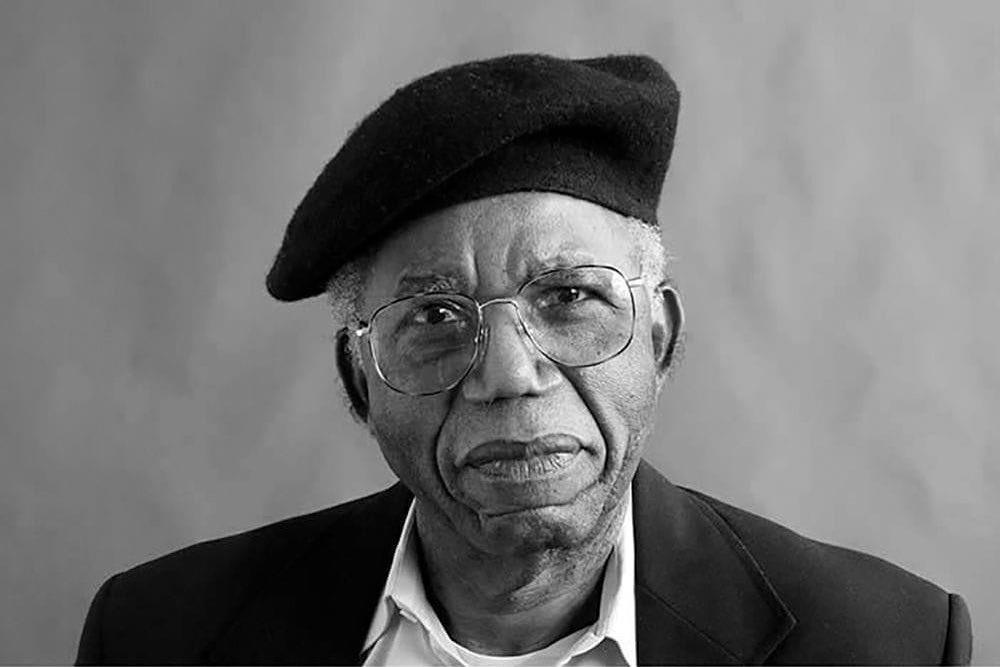
Chinua Achebe (born Albert Chinụalụmọgụ Achebe on November 16, 1930, in Ogidi, Anambra State, Nigeria – died March 21, 2013) was a Nigerian novelist, poet, critic, and professor, widely regarded as a central figure in modern African literature.
He rose to global prominence with his first novel, Things Fall Apart (1958), which remains the most widely read, translated, and studied African novel. Although many refer to him as the “father of modern African literature,” Achebe himself rejected that title.
Achebe grew up in a unique cultural environment shaped by both Igbo traditional beliefs and colonial Christianity. His father, Isaiah Achebe, was a teacher and evangelist, while his mother, Janet Achebe, was deeply rooted in Igbo storytelling traditions. This dual influence played a major role in shaping his worldview and writing style.
From a young age, Achebe showed exceptional intelligence and a deep love for storytelling, often listening to folktales told by his mother and sister, an experience that later influenced his literary voice.
Chinua Achebe Education and Early Career
Achebe began his early education at St. Philip’s Central School in Ogidi, where he stood out as one of the brightest students. He later attended the prestigious Government College Umuahia, known for producing some of Nigeria’s finest intellectuals.
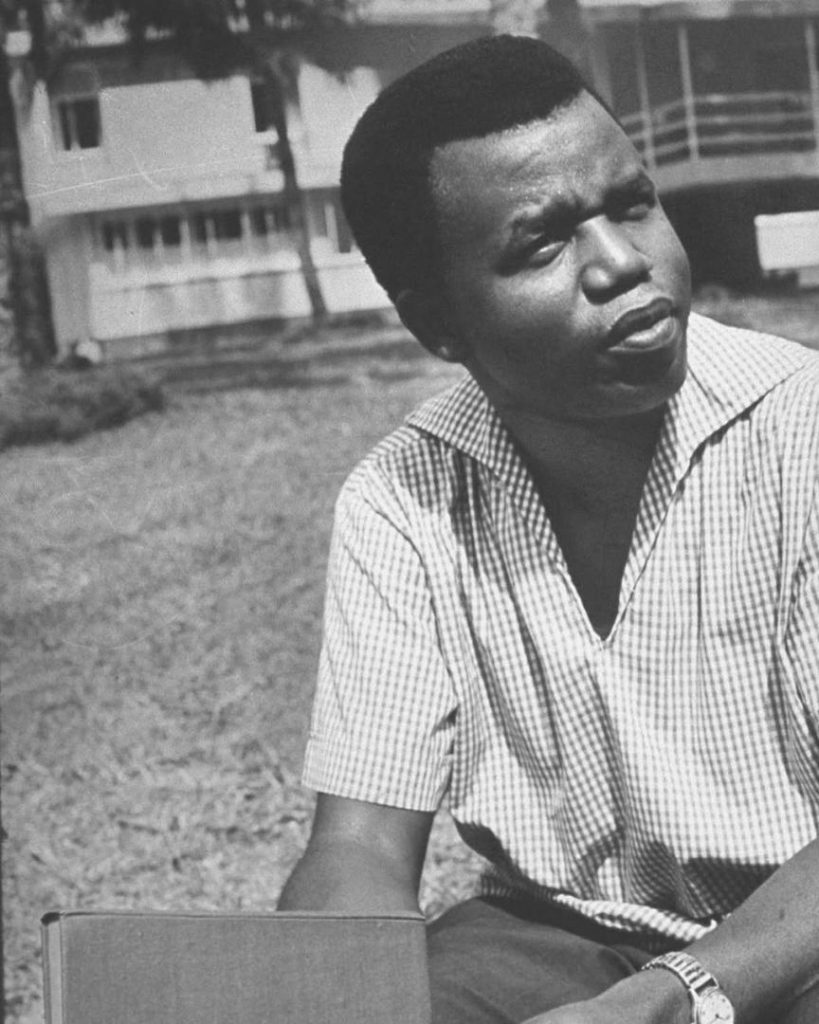
In 1948, he gained admission into University College, Ibadan (now the University of Ibadan), initially studying medicine. However, he soon switched to English, History, and Theology after developing a strong interest in literature and becoming critical of how Western writers portrayed Africa.
During his time at university, Achebe began writing essays, short stories, and articles. His early works, such as “In a Village Church” and “Dead Men’s Path,” explored the tension between tradition and modernity.
After graduating in 1953, Achebe worked briefly as a teacher before joining the Nigerian Broadcasting Service (NBS) in Lagos in 1954. There, he worked as a scriptwriter and later rose through the ranks. His experience in broadcasting helped him master dialogue and storytelling techniques that would later define his novels.
Chinua Achebe Major Life Events
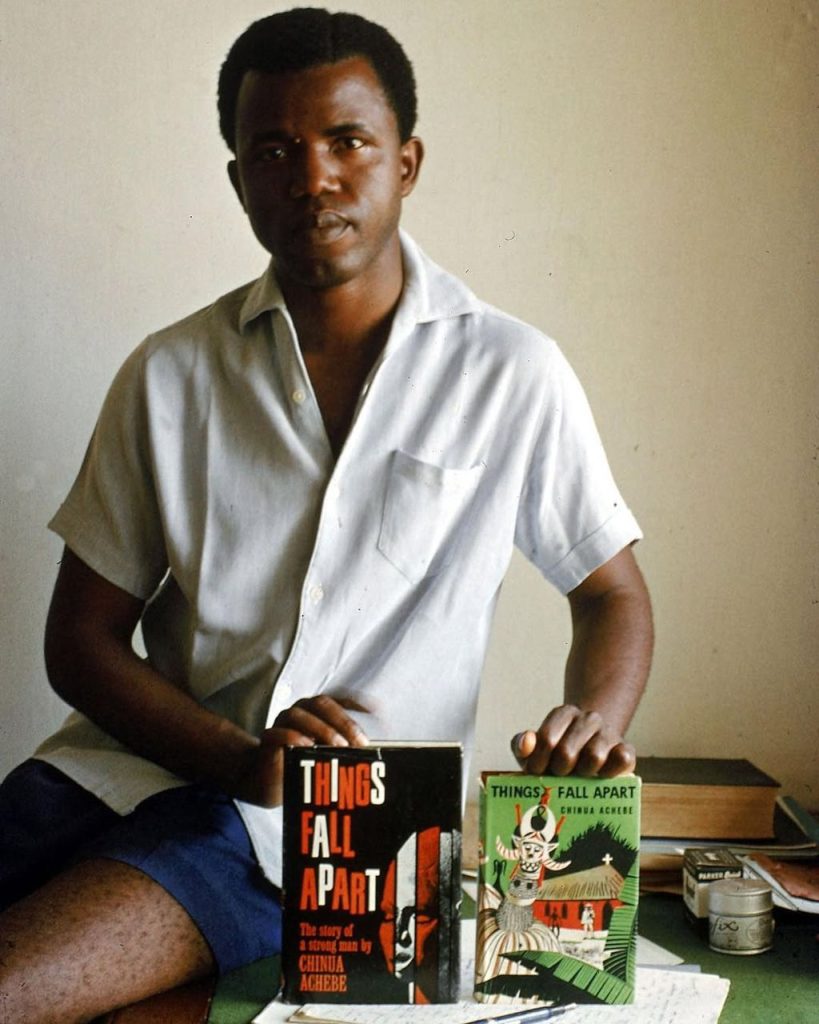
Achebe’s life took a defining turn in 1958 with the publication of Things Fall Apart, a novel that reshaped African literature by presenting African society from an internal, authentic perspective.
Within less than a decade, he published No Longer at Ease and Arrow of God, completing what became known as the African Trilogy. His rapid rise positioned him as a leading literary voice not just in Nigeria but globally.
In 1966, Achebe released A Man of the People, a political satire that eerily foreshadowed Nigeria’s first military coup. Shortly after its publication, the coup occurred, drawing dangerous attention to Achebe and forcing him to flee with his family.
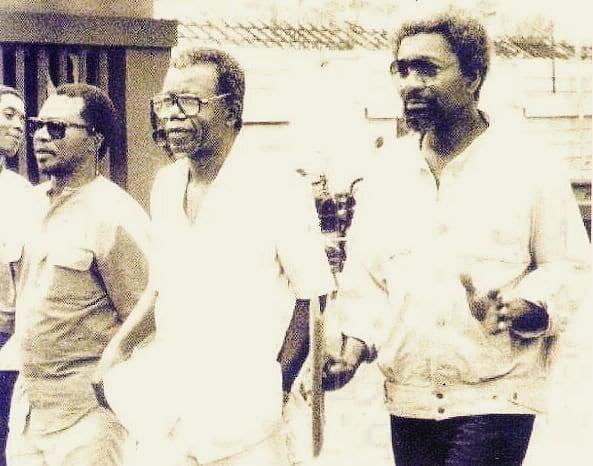
The outbreak of the Nigerian Civil War in 1967 marked one of the most intense periods of his life. Achebe openly supported Biafra and served as a global ambassador for the secessionist state. During this period, his relationship with fellow writer Wole Soyinka became politically significant. While Achebe advocated for Biafra internationally, Soyinka attempted to broker peace and was imprisoned by the Nigerian government. Achebe later remarked that under similar circumstances, he too would have been imprisoned, highlighting their shared ideological resistance.
The war deeply affected Achebe. He lost close friends, including poet Christopher Okigbo, and witnessed immense suffering. This period shifted his writing from novels to poetry, as he documented grief, war, and survival.
After the war ended in 1970, Achebe returned to academia but remained politically vocal, openly criticizing corruption and poor leadership in Nigeria.
In 1990, a tragic car accident left him paralyzed from the waist down. This incident forced him to relocate permanently to the United States, where he continued teaching and writing, refusing to let the setback silence his voice.
Chinua Achebe Professional Achievements
Achebe built an extraordinary literary career that influenced generations of writers across Africa and beyond.
His major works include: Things Fall Apart (1958), No Longer at Ease (1960), Arrow of God (1964), A Man of the People (1966) and Anthills of the Savannah (1987)
Beyond novels, Achebe also wrote essays, poetry, short stories, and children’s books. His essay “An Image of Africa: Racism in Conrad’s Heart of Darkness” became a landmark in postcolonial studies.
Achebe built one of the most influential literary careers in modern history. His debut novel Things Fall Apart remains the most widely read African novel, translated into over 50 languages and selling millions of copies worldwide.
He expanded his impact beyond writing by serving as the General Editor of the Heinemann African Writers Series, where he helped launch and amplify African literary voices such as Ngũgĩ wa Thiong’o and Flora Nwapa. Through this role, Achebe did not just write history, he shaped the future of African literature.
His 1975 lecture, “An Image of Africa: Racism in Conrad’s Heart of Darkness,” sparked global academic debate by directly challenging Eurocentric literary perspectives and redefining postcolonial criticism.
Achebe received numerous global honours, including the Man Booker International Prize in 2007, which many saw as a long-overdue recognition of his influence. Although many expected him to receive the Nobel Prize in Literature, he never did a notable absence that remains widely discussed in literary circles.
He also held prestigious academic positions, including professorships at Bard College and later at Brown University, where he continued mentoring new generations of thinkers and writers.
Chinua Achebe Personal Life
Achebe married Christie Okoli in 1961, and their marriage was blessed with four children: Chinelo, Ikechukwu, Chidi, and Nwando.
Despite his global fame, Achebe remained deeply connected to his roots and family. He held a traditional Igbo title and actively participated in cultural and intellectual discussions about Nigeria and Africa.
He was known for his disciplined lifestyle, intellectual depth, and commitment to truth and justice, often speaking out against corruption and poor leadership in Nigeria.
Chinua Achebe Legacy and Impact
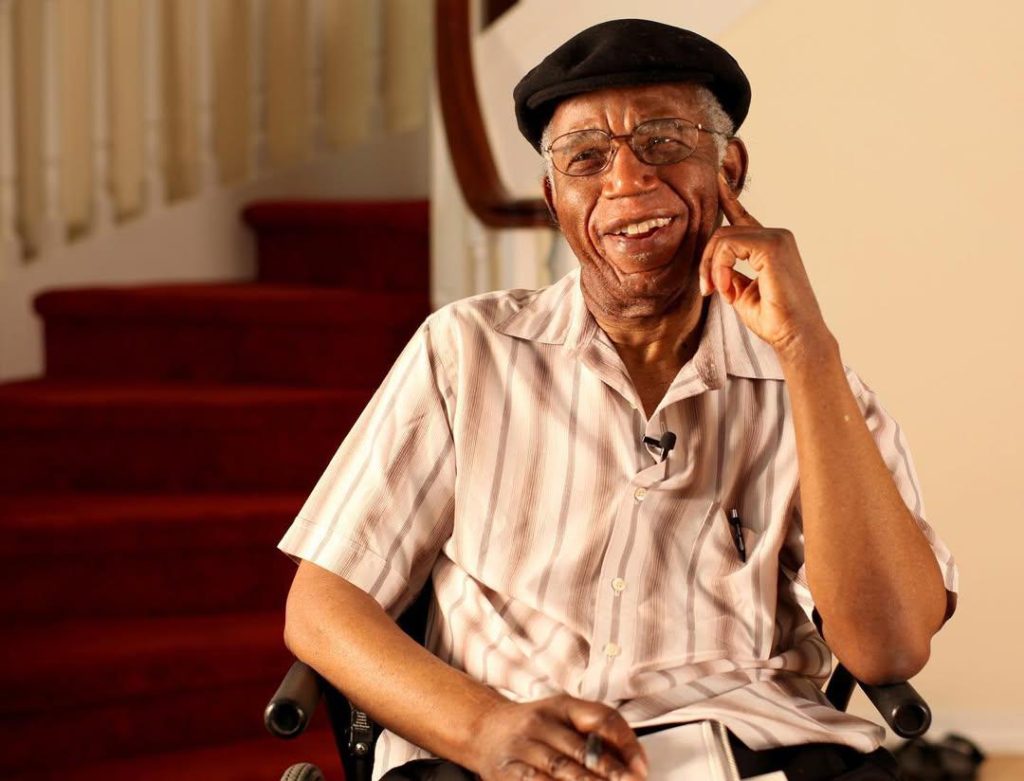
Chinua Achebe fundamentally changed how Africa is represented in literature. He dismantled colonial narratives and replaced them with authentic African voices grounded in culture, history, and lived experience.
His storytelling style drew heavily from Igbo oral tradition, using proverbs, folklore, and communal voice to create a distinct narrative style that influenced writers globally.
His works addressed complex themes such as colonialism, identity, corruption, gender roles, and political instability, making them timeless and universally relevant.
Achebe’s influence extended beyond literature into education, politics, and cultural identity. His works are studied worldwide, and his legacy continues through literary festivals, academic discourse, and generations of writers inspired by his voice.
Conclusion
Chinua Achebe’s life stands as a powerful reminder to the importance of storytelling, cultural identity, and intellectual courage. Through his novels, essays, and public voice, he challenged colonial narratives, redefined African literature, and gave Africans the power to tell their own stories.
His legacy remains timeless, positioning him not just as a literary icon, but as a cultural force whose impact continues to shape conversations about Africa and the world.







Leave a Reply