



Funmilayo Ransome-Kuti (born 25 October 1900 in Abeokuta, Ogun State – died 13 April 1978 in Lagos) emerged as one of Nigeria’s most fearless freedom fighters, pioneering feminists, and nationalist leaders. Widely called the “Lioness of Lisabi,” she played a defining role in resisting colonial oppression, defending women’s rights, and shaping Nigeria’s political history. Her work stretched from grassroots activism to international diplomacy, establishing her as one of the most influential African women of the 20th century.
Funmilayo Ransome Kuti Education and Early Life
She grew up in a progressive family that valued education and community leadership. Her father, Daniel Olufela Thomas, was a returned Sierra Leonean Yoruba who worked as a farmer and community leader, while her mother, Lucretia Phyllis Omoyeni Adeosolu, was a dressmaker and trader.
Funmilayo attended Abeokuta Grammar School, becoming the first female student to study there. Her academic excellence opened doors to further training in England, where she sharpened her teaching skills and absorbed global ideas about civil rights and women’s liberation.
When she returned to Nigeria, she taught briefly and established herself as a respected educator before expanding into trade, community organizing, and political advocacy. Her early encounters with gender-based discrimination pushed her to fight for the rights of women, especially those in Yoruba markets who faced unfair colonial taxation.
Funmilayo Ransome Kuti Major Life Events
Funmilayo played a central role in mobilizing women against the injustices of colonial rule. She led one of the most powerful women’s movements in Nigerian history the Abeokuta Women’s Union (AWU). Through the AWU, she organized thousands of women to protest unfair taxation and authoritarian rule in what later became known as the Egba Women’s Revolt or the Egba Women’s Tax Revolt (1946–1949).
This massive movement forced the Alake of Egbaland, Oba Ademola II, to temporarily abdicate a monumental political victory that demonstrated the power and discipline of Funmilayo’s organizing.
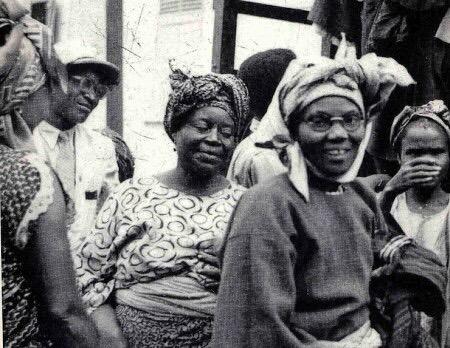
During these protests, Grace Eniola Soyinka, the mother of Nobel laureate Wole Soyinka served as one of Funmilayo’s strongest allies. Soyinka describes his mother in his writings as a “wild Christian,” a fearless and outspoken woman who fought aggressively against colonial injustice. She became Funmilayo’s right-hand woman, working beside her as a strategist, mobilizer, and coordinator within the AWU. Together, they strengthened the movement and helped shape the political identity of women in Egbaland.
Funmilayo also travelled widely, meeting global leaders and speaking on women’s rights and anti-colonial struggles. She visited countries across Europe, Asia, and America, and became the first Nigerian woman to drive a car.
One of her remarkable impacts includes mentoring young activists, including Gambo Sawaba, who would later become a strong political voice in Northern Nigeria. Funmilayo guided her in political organizing, women’s rights, and community strategy, shaping Sawaba into the revolutionary she became.
Funmilayo Ransome Kuti Professional Achievements
Funmilayo Ransome-Kuti built a far-reaching legacy of activism, leadership, and political influence. She founded the Abeokuta Women’s Union, one of Africa’s most powerful women’s organizations, and expanded it nationally as the Nigerian Women’s Union. She played a leading role in campaigns for women’s education, abolition of unfair taxation, protection of market women, and the fight against colonial exploitation.
She became a prominent member of the National Council of Nigeria and the Cameroons (NCNC) and participated in high-level delegations to London demanding constitutional reforms. She also represented Nigeria at international conferences, building alliances with global anti-colonial movements.
International media and organizations frequently recognized her contributions. She earned global respect as a pioneering feminist and nationalist, working alongside world leaders and advocating for justice at a time when African women rarely occupied political space.
Funmilayo Ransome Kuti Personal Life
Funmilayo married Reverend Israel Oludotun Ransome-Kuti, an educator and Anglican minister who shared her passion for community service. Together, they raised four children, including the iconic musician and political activist Fela Anikulapo-Kuti, medical doctor and advocate Beko Ransome-Kuti, educator Olikoye Ransome-Kuti, Nigeria’s former Minister of Health and Dolupo Ransome-Kuti, their daughter, who lived a quieter life compared to her activist brothers but remained closely connected to the family legacy
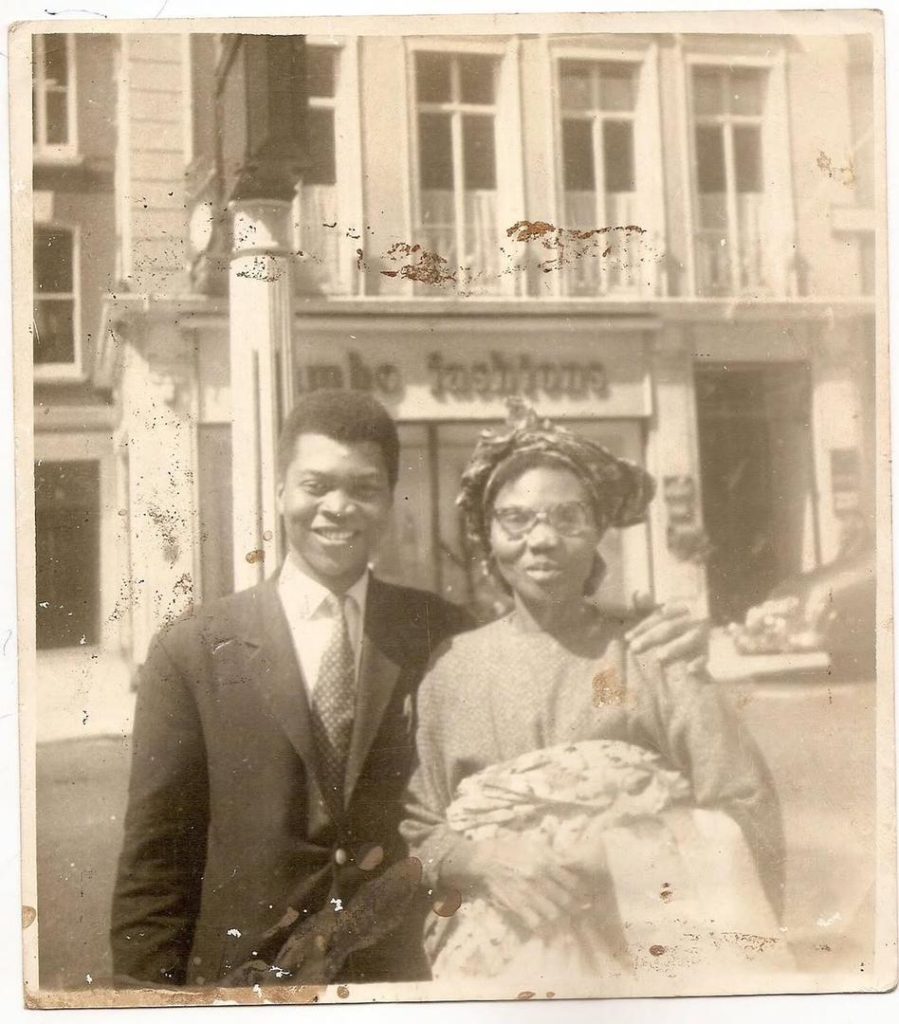
Her home was a center for activism, political discussion, creativity, and music, shaping a family deeply rooted in advocacy and social justice.
Funmilayo Ransome Kuti Legacy and Impact
Funmilayo Ransome-Kuti changed the political foundation of Nigeria by empowering women, dismantling oppressive taxation systems, and fighting colonial authority with strategic brilliance. Her leadership in the Egba Women’s Revolt, combined with her national and international organizing, created a template for feminist activism in Africa.
Her mentorship of activists like Gambo Sawaba and her partnership with powerful women like Grace Eniola Soyinka expanded her influence beyond the Yoruba region. Scholars around the world continue to study her political strategies, mobilization techniques, and advocacy model.
Her impact remains visible in women’s political participation, human rights movements, academic works, and cultural memory across Nigeria and beyond.
Conclusion
Funmilayo Ransome-Kuti’s life embodies courage, activism, and an unshakeable commitment to justice. She challenged oppressive systems, elevated the voices of Nigerian women, and positioned herself as a global advocate for liberation. Her story teaches that persistence, knowledge, and fearless leadership can reshape history. She remains a timeless symbol of resistance, empowerment, and national pride.






Leave a Reply