


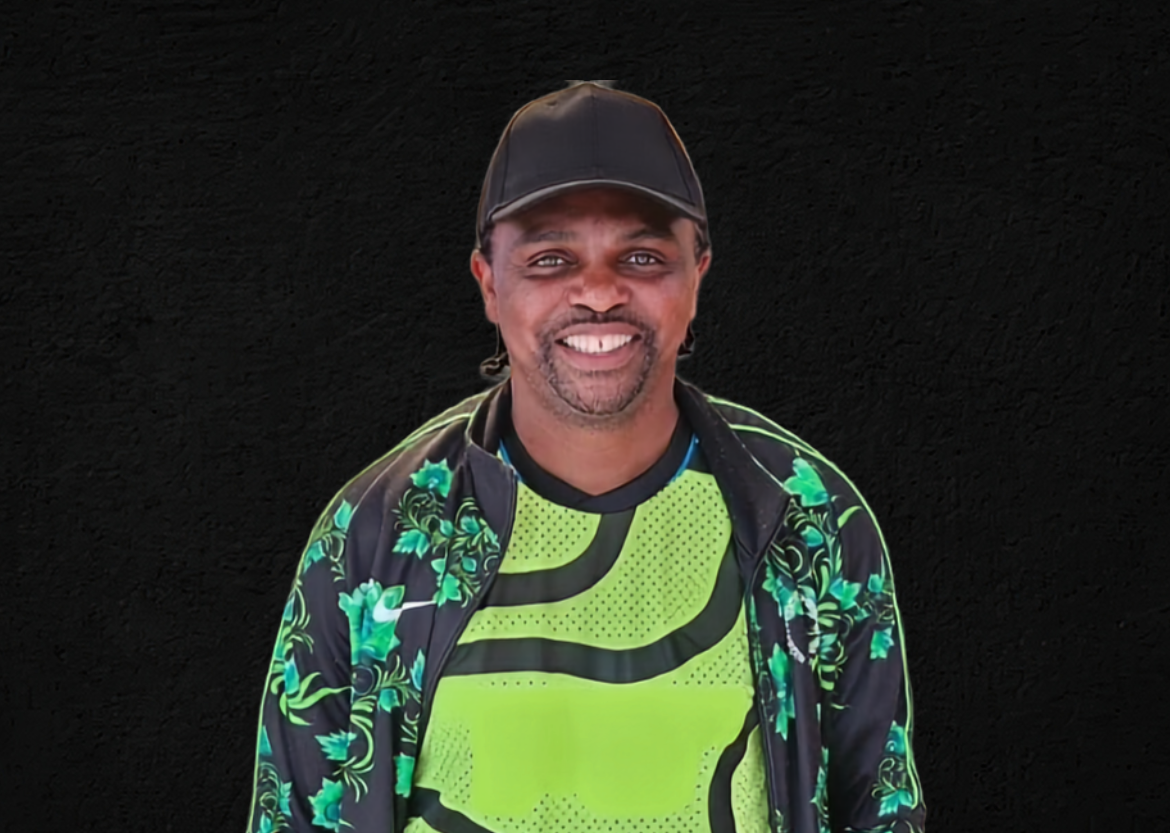
At 20, Kanu Nwankwo was already living the dream of many young footballers.
He had won the FIFA U-17 World Cup with Nigeria, played a key role in Nigeria’s historic Olympic gold medal victory and lifted the UEFA Champions League with Ajax. In 1996, he completed a move to Italian giants Inter Milan, one of the biggest clubs in world football.
Then came the news that almost changed everything.
During his medical examination, doctors discovered that Kanu had a serious congenital heart defect. The footballer who had just become one of Africa’s brightest stars suddenly faced the possibility that his career could be over before it had truly begun.
Kanu underwent open-heart surgery in the United States and spent months away from football. Returning to the pitch was far from guaranteed.
But Kanu returned.
And some of the greatest moments of his career came after the surgery.
He went on to become an Arsenal legend, a two-time African Footballer of the Year, a Premier League and FA Cup winner and one of the most decorated footballers Nigeria has ever produced. His experience with heart disease also changed his life beyond football and later inspired him to establish the Kanu Heart Foundation, which has helped hundreds of people access life-saving heart surgery.
Today, Kanu Nwankwo, popularly known as Papilo, remains one of the most loved figures in Nigerian football. His story stretches from the football fields of Nigeria to the biggest stadiums in Europe, but one of its most important chapters began when doctors told him that his heart could stop him from playing the game he loved.
Kanu Nwankwo’s Early Life and Rise in Football
Kanu Nwankwo was born on August 1, 1976, in Owerri, Imo State, Nigeria.
Football came into his life early. As a teenager, he played for Federation Works before joining Iwuanyanwu Nationale, now known as Heartland FC. His height made him noticeable, but it was his ability with the ball that made him special.
Standing at about 6 ft 5 in, Kanu did not play like the traditional tall striker many defenders expected. He could dribble, hold the ball, create chances and use his long legs to escape difficult situations.
His talent quickly took him beyond Nigeria.
In 1993, he joined Dutch club Ajax as a teenager. It was a major move, but Kanu had arrived at one of the best football environments in Europe.
Ajax was developing an extraordinary generation of players, including Patrick Kluivert, Clarence Seedorf, Edgar Davids and Marc Overmars. Kanu grew within that environment and became part of the Ajax team that dominated Dutch and European football.
During his time at the club, Ajax won the Eredivisie, KNVB Cup, UEFA Champions League, UEFA Super Cup and Intercontinental Cup.
The 1995 UEFA Champions League victory was particularly significant. Ajax defeated AC Milan in the final, and Kanu became a Champions League winner before his 20th birthday.
At the same time, he was becoming increasingly important to Nigerian football.
Kanu Nwankwo’s Olympic Gold and the Rise of Papilo
Before the heart condition interrupted his career, Kanu had already created one of the greatest moments in Nigerian sporting history.
In 1993, he was part of Nigeria’s Golden Eaglets team that won the FIFA U-17 World Cup. Three years later, he travelled with Nigeria’s football team to the 1996 Olympic Games in Atlanta.
Nigeria had a talented squad, but the competition was filled with football’s biggest names.
The semi-final against Brazil became the defining match.
Brazil featured Ronaldo, Rivaldo, Bebeto and Roberto Carlos, and Nigeria found itself trailing 3–1. The match appeared to be slipping away.
Then Nigeria fought back.
Kanu became one of the heroes of the comeback, scoring twice as Nigeria defeated Brazil 4–3. His second goal ended the match under the golden goal rule and sent Nigeria into the Olympic final.
Nigeria went on to defeat Argentina and win the gold medal.
The victory made Nigeria the first African country to win Olympic gold in men’s football, and Kanu became one of the faces of that historic team.
For many Nigerians, Atlanta 1996 remains one of the greatest moments in the country’s sporting history. It also cemented Kanu’s place as a football star before he had even reached his prime.
Kanu Nwankwo’s Heart Condition and His Return to Football
Kanu’s move to Inter Milan was supposed to be the beginning of an even bigger chapter.
Instead, it led to one of the biggest shocks of his life.
During a routine medical examination after joining Inter Milan in 1996, doctors discovered a serious heart defect. Kanu had a congenital condition that required open-heart surgery.
For a young footballer whose career was rising rapidly, the diagnosis was devastating.
He underwent surgery in the United States and spent months recovering. There was no certainty that he would return to professional football at the highest level.
But Kanu eventually returned to the game.
His time at Inter Milan did not develop as expected, and in 1999 he moved to England to join Arsenal.
That transfer would become one of the most important decisions of his career.
At Arsenal, Kanu found the stage to fully show the football world what he could do.
His comeback also gave a deeper meaning to everything that followed. Every trophy, every goal and every major moment came after the period when his career had nearly been taken away from him.
Years later, that experience would inspire another part of his life’s work.
Kanu Nwankwo’s Arsenal Career, Achievements and Life Beyond Football
Kanu arrived at Arsenal in January 1999 and quickly became a fan favourite.
He brought something unusual to the Premier League. He was tall but skilful, unpredictable and capable of doing things with the ball that defenders did not expect from someone of his size.
One of his most memorable moments came in October 1999 against Chelsea at Stamford Bridge.
Arsenal were losing 2–0 with little time left. Then Kanu took control.
He scored three goals as Arsenal completed an incredible 3–2 comeback. His final goal, which saw him take the ball around Chelsea goalkeeper Ed de Goey before scoring from a tight angle, remains one of the most memorable goals in Premier League history.
During his time at Arsenal, he won two Premier League titles and two FA Cups. He was also named African Footballer of the Year twice, in 1996 and 1999.
After Arsenal, Kanu played for West Bromwich Albion and Portsmouth.
At Portsmouth, he added another major achievement to his career when the club won the FA Cup in 2008. Kanu scored important goals during their run, including decisive goals in the semi-final and final.
His career had taken him from Owerri to Ajax, Inter Milan, Arsenal and other major clubs in England and Europe.
But Kanu’s impact was becoming bigger than football.
In 2000, he established the Kanu Heart Foundation, inspired by his own experience with heart surgery. The foundation focuses on helping children and young people with heart conditions access life-saving treatment.
According to the foundation, it has supported hundreds of open-heart surgeries and continues to campaign for better access to cardiac care.
Kanu also remained involved in charity, youth development, business and football after retirement.
He has served as a UNICEF Goodwill Ambassador and used his profile to support children and humanitarian causes. He has also remained connected to Nigerian football and continues to represent the country at international sporting events.
Away from football, Kanu is married to Amara Kanu, and they have children together.
Today, Kanu Nwankwo’s story carries several different legacies.
He is the teenager who left Nigeria for Ajax.
He is the Olympic hero who scored the golden goal against Brazil.
He is the footballer whose heart condition almost ended his career.
He is the Arsenal star who stunned Chelsea with a famous hat-trick.
And he is the heart surgery survivor who used his experience to help other people get a second chance at life.
For generations of Nigerian football fans, he will always be Papilo.
But Kanu’s story is bigger than a nickname or even the trophies he won.
It is the story of a footballer who reached the top early, faced a crisis that threatened to take everything away and returned to build an even greater legacy.



Leave a Reply