


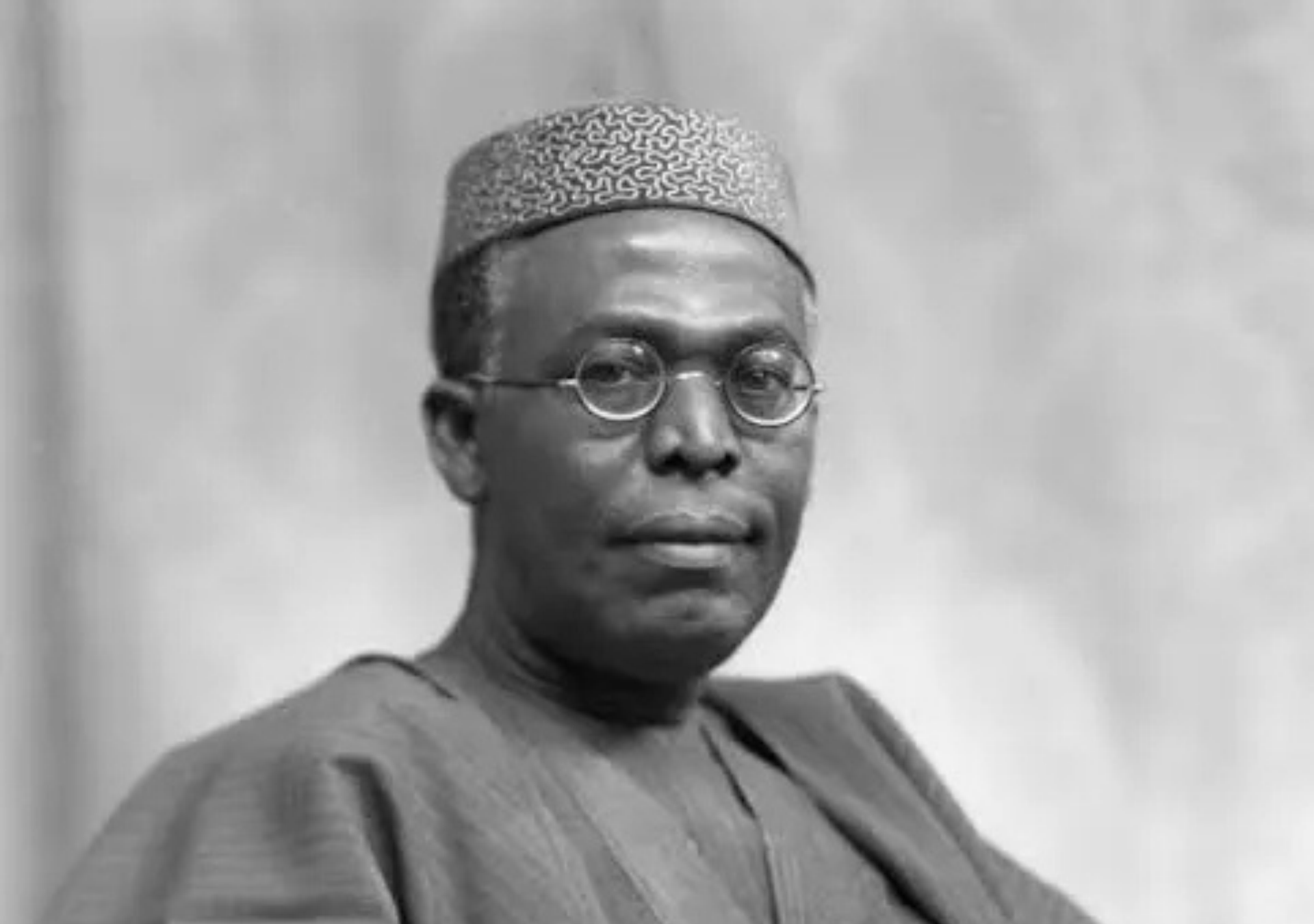
Chief Obafemi Awolowo remains one of the greatest political leaders Nigeria has ever produced. A lawyer, journalist, nationalist, author and statesman, he played an important role in Nigeria’s journey to independence and left a lasting mark on the country’s education, politics and economic development. From introducing free primary education in the Western Region to championing federalism and social welfare, Awolowo built a reputation as a leader who believed that government should create opportunities for ordinary people.
However, his journey to national prominence was far from easy. Born into a modest family, he worked several jobs to support his education before becoming one of the most influential figures in Nigerian history.
Obafemi Awolowo’s Early Life and Education
Obafemi Jeremiah Oyeniyi Awolowo was born on March 6, 1909, in Ikenne, present-day Ogun State. His father, David Shopolu Awolowo, was a farmer who died when Obafemi was just 11 years old, leaving the family with financial difficulties.
Determined to continue his education, young Awolowo worked as a teacher, clerk, typist and journalist. He attended Wesley College in Ibadan, where he trained as a teacher, before pursuing further studies privately. He eventually obtained a Bachelor of Commerce degree through the University of London as an external student.
In 1944, he travelled to Britain to study law at the University of London and later qualified as a barrister through the Inner Temple. He returned to Nigeria in 1947 and established his legal practice, but his interest in politics and national development would soon take centre stage.
Obafemi Awolowo’s Political Journey and Fight for Independence
Awolowo became involved in Nigeria’s nationalist movement through the Nigerian Youth Movement. He later helped establish Egbe Omo Oduduwa, an organisation that promoted Yoruba unity and cultural development.
In 1949, he founded the Nigerian Tribune, using journalism to communicate his ideas and advocate for self-government. Two years later, he established the Action Group, a political party that championed education, economic development and social welfare.
His political career reached a major milestone in 1954 when he became the first Premier of the Western Region. He held the position until 1960, when he left regional government to pursue national leadership and became Leader of the Opposition in the federal parliament.
Awolowo was a strong advocate of federalism, believing Nigeria’s regions needed sufficient autonomy to develop while remaining part of one country.
Obafemi Awolowo’s Political Challenges, Family and Personal Life
Awolowo’s political journey also included difficult and controversial chapters. A disagreement with his former deputy, Ladoke Akintola, contributed to the 1962 Western Region crisis. In 1963, Awolowo was convicted of treasonable felony and sentenced to ten years in prison. He was released in 1966 following a military coup.
During the Nigerian Civil War, he served as Federal Commissioner for Finance under General Yakubu Gowon. His role in the federal government’s wartime economic policies remains a subject of debate, particularly among those who examine the humanitarian consequences of the blockade imposed on Biafra.
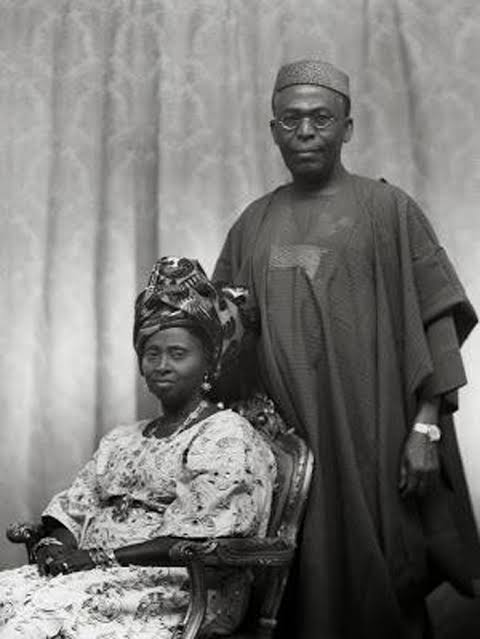
Away from politics, Awolowo married Hannah Idowu Dideolu, popularly known as HID Awolowo, in 1937. They had five children and built a family that remained closely connected to his public life. HID supported him through his political career and later became a respected businesswoman and community figure.
Obafemi Awolowo’s Death and Legacy
On May 9, 1987, Obafemi Awolowo died at the age of 78 in Ikenne, the community where he was born. His death marked the end of a remarkable life, but his influence continued through the institutions, ideas and policies he left behind.
In 1987, the University of Ife was renamed Obafemi Awolowo University in his honour. He also received Nigeria’s highest national honour, the Grand Commander of the Order of the Federal Republic (GCFR), in 1982.
Today, Awolowo remains closely associated with free education, purposeful leadership and regional development. While his political decisions and role during the Civil War continue to attract debate, his contribution to Nigeria’s political history is undeniable.
From a young boy who struggled to continue his education to a statesman whose policies opened classroom doors to generations of Nigerians, Obafemi Awolowo built a legacy that continues to shape conversations about leadership and national development.



Leave a Reply